Social●Mid
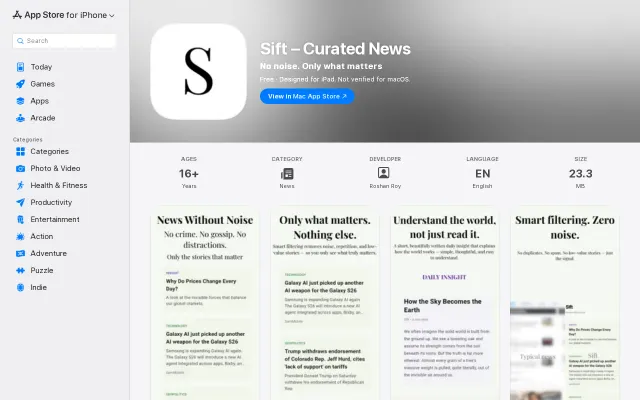
Sift – a minimal news app (looking for UI/UX feedback)
Yet another curated news reader when Apple News and Feedly already dominate this space.
Eye CandyShip It
Roshan_Roy
311mo ago
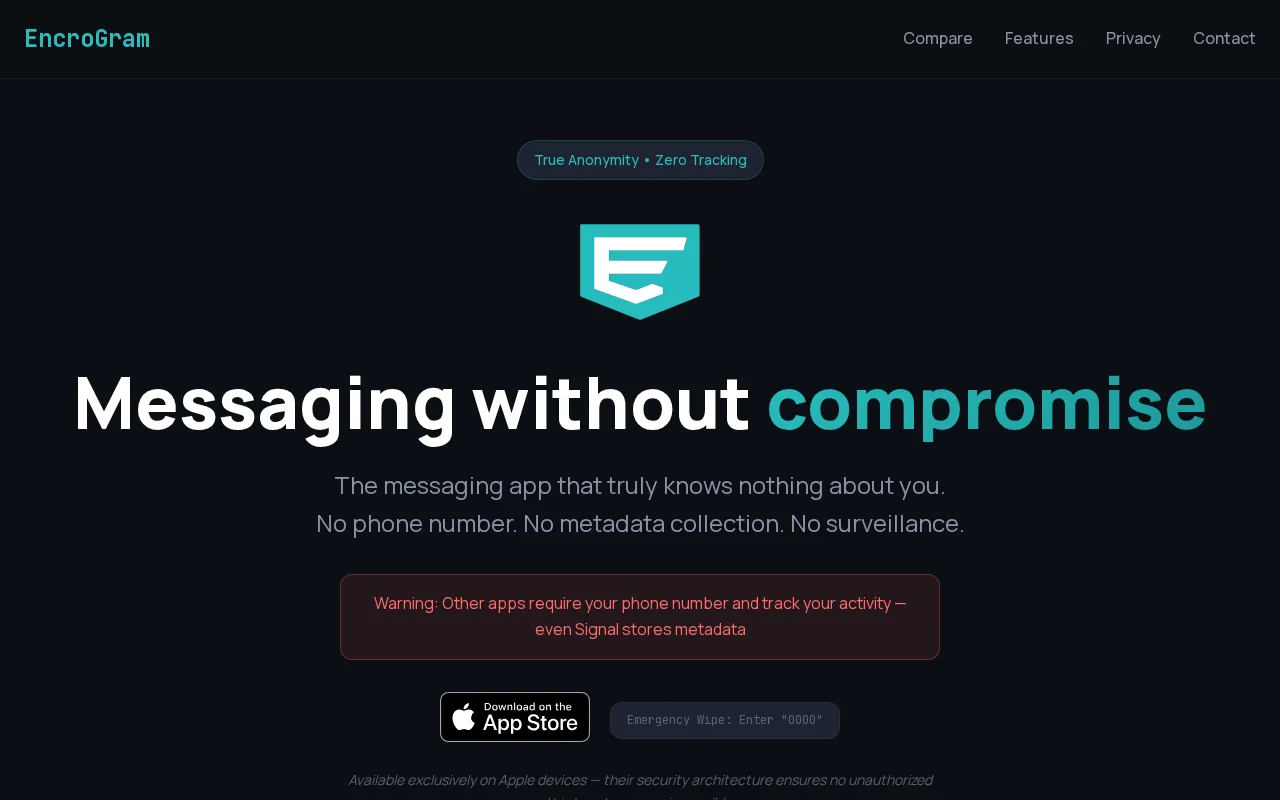
Starts from a strict threat model — password-only identities, no contact sync, ephemeral relays, and an emergency "0000" wipe all push toward leaving as little recoverable metadata as possible. Those are useful, concrete tradeoffs, but sweeping claims like 'technically impossible to spy' need a public audit and the Apple-only restriction limits reach and threat-model assumptions.
Activists, journalists, privacy-conscious individuals, security-minded communicators
I’m not using EncroGram because I like clean UI or new apps. I’m using it because I assume that sooner or later, anything I touch might be examined — devices, servers, logs, timelines.
Most messaging apps focus on encrypting content. That’s table stakes now. What matters in practice is everything around the content: identifiers, metadata, backups, correlations, and the quiet assumptions built into the system.
EncroGram caught my attention because it seems to start from a different premise: reduce what exists in the first place. No accounts tied to phone numbers or emails. No analytics. No long-term server-side message storage by design. Fewer moving parts, fewer promises, fewer things to trust.
I’m not under the illusion that this makes communication safe or anonymous. Devices get seized. Networks get monitored. People make mistakes. Nothing here changes that. What it changes, at least in theory, is how much residual data is created by default, and how much of that data lives outside the endpoint.
From my point of view, that’s the real question: not “is it secure?”, but “what’s left behind when things go wrong?”
This doesn’t feel like a mainstream product, and it probably shouldn’t be. It feels more like an experiment in being explicit about trade-offs and threat models instead of hiding them behind UX polish and legal language.
I’m posting this because I’m interested in technical criticism and discussion. Where does a low-retention or stateless approach actually help, and where does it fail? What assumptions does it still rely on that users like me might underestimate?
Not here to promote it — just interested in informed perspectives on the design choices.
Yet another curated news reader when Apple News and Feedly already dominate this space.
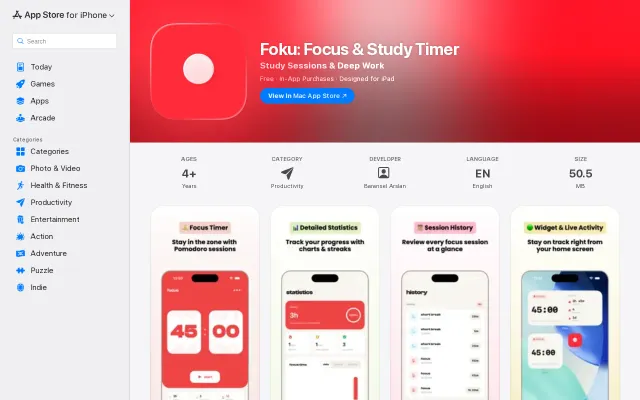
Beautiful Pomodoro timer, but Clockwork Tomato and Forest already dominate iOS focus apps.
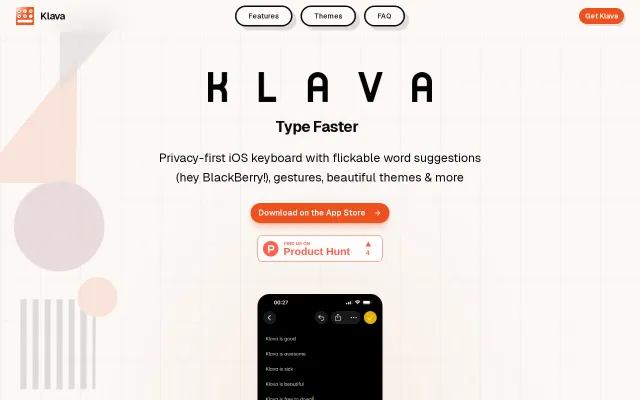
BlackBerry flick predictions + pixel-perfect retro theming; iOS keyboard market is locked.
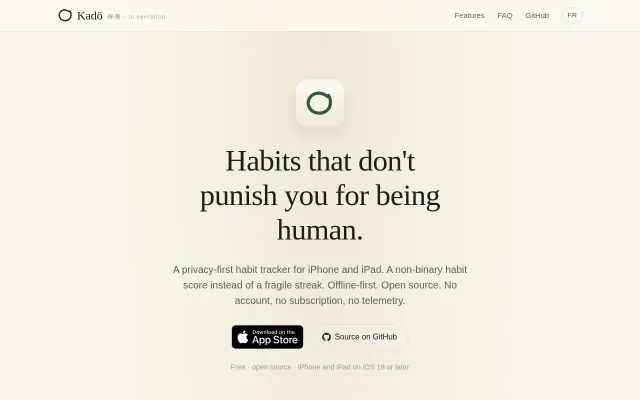
Exponential moving average scores prevent one missed day from wiping months of progress.
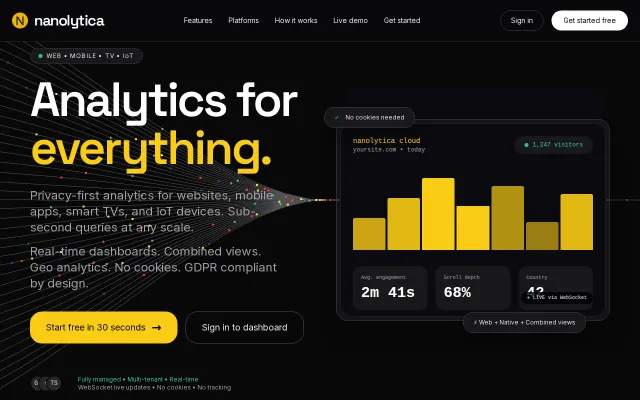
Plausible alternative that tracks IoT and TVs via simple API.
PicoCSS aesthetics at 3.8 KB with fewer variables and Open Props integration.