Security●●●Banger
Zero-allocation embedded security in Rust (fits in 256KB Flash)
Sub-microsecond CAN frame detection with zero heap allocation in 122K lines of Rust.
WizardryBig BrainNiche Gem
victor-craton
401mo ago
The AI Toolkit for Rust, inspired by the Vercel AI SDK.
This brings the Vercel AI SDK ergonomics into Rust with a type-safe LanguageModelRequest builder, #[tool] macros to expose callable tools, streaming text and structured JSON outputs, and compatibility with Vercel UI stacks. The sheer provider count (70+) and ready-made agent tooling are compelling for Rust shops; quality will hinge on per-provider coverage and runtime compatibility, but the docs, examples, and CI indicate serious follow-through.
Rust backend developers, ML engineers, SDK authors, and teams building AI agents or services in Rust
Sub-microsecond CAN frame detection with zero heap allocation in 122K lines of Rust.
The project solves the usual pain of linking a C audio SDK by offering an auto-download/link feature and wraps Steam Audio in safe Rust types while explicitly hunting down thread-safety and segfault issues. If you're building spatial audio in Rust the ergonomic API, HRTF support and focused safety fixes make this a practical, low-friction choice — not revolutionary, but professionally executed for its niche.
Swift-native agent framework fills a gap for Apple developers avoiding LangChain.
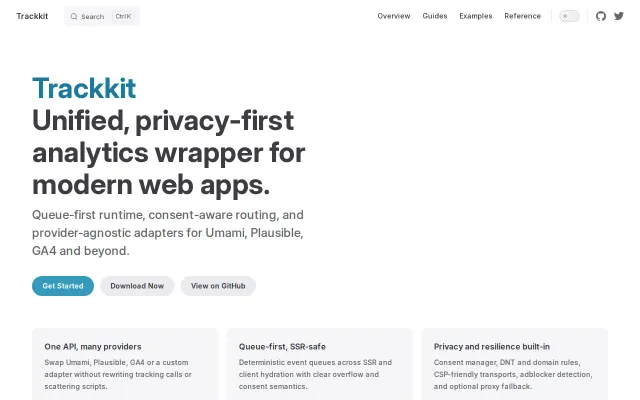
Swap analytics providers by config, not code — saves the rewrite headache.
YAML→TypeScript codegen for analytics prevents typos and centralizes event definitions.
Backend-agnostic memory SDK with local embeddings and benchmark claims on BEAM.