Developer Tools●Mid
Observarium, a simple exception tracking library for Java
Exception tracker posting to GitHub Issues when Sentry and Bugsnag already dominate.
Ship It
RicDan
102mo ago
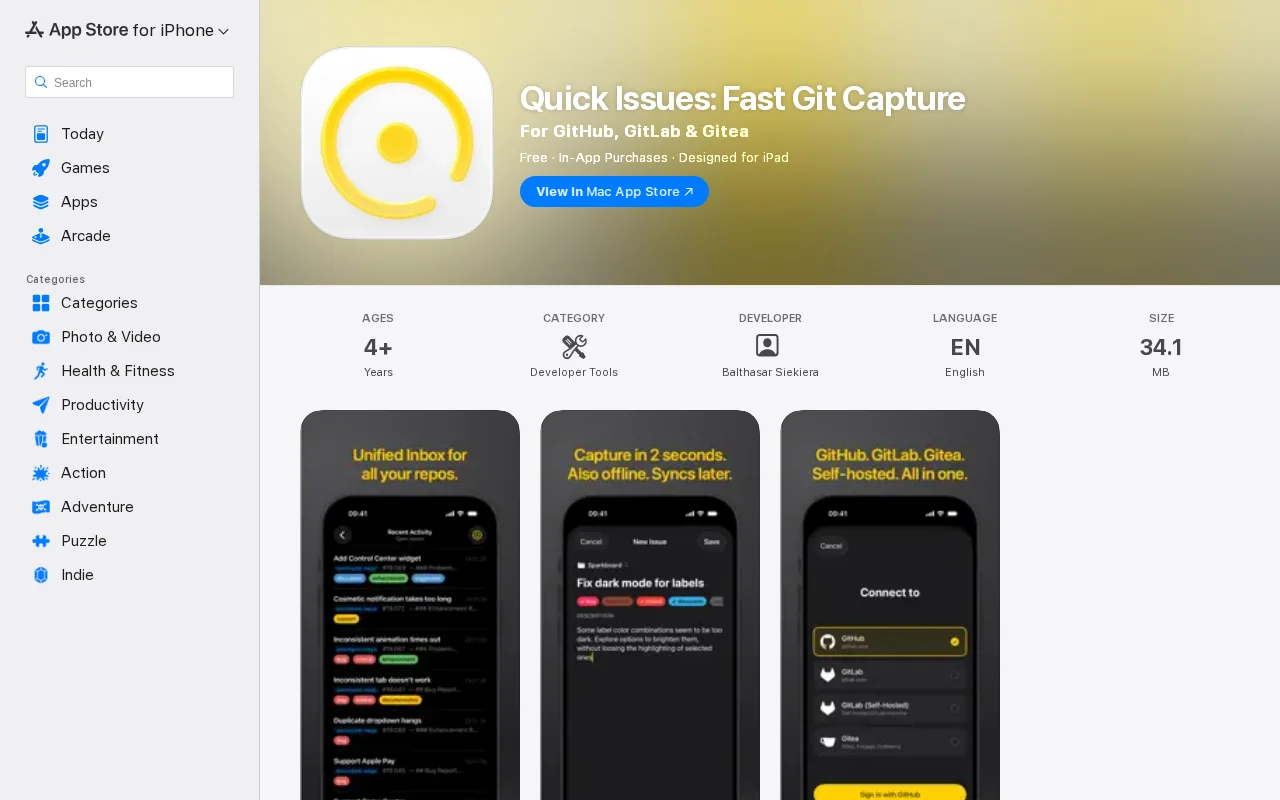
Offline issue capture for GitHub/GitLab/self-hosted, but market is small and fragmented.
Mobile developers and engineering teams juggling multiple Git providers; GitHub, GitLab, self-hosted users
GitHub Mobile · GitLab Mobile · Monodraw Workspace
So I built Quick Issues. It's a lightweight Swift app with an offline buffer -- you capture the issue, it syncs when you have connectivity. Supports GitHub, GitLab, and Gitea/Forgejo (including self-hosted and local with PAT).
A few technical notes for anyone interested: This was my first time using GRDB with SQLite instead of default Swift data structures, and the performance difference was significant. Setting up proper OAuth2 flows and GitHub/GitLab apps was more of an adventure than expected, but it's solid now.
Free for a single account/instance, paid tier if you juggle multiple providers.
My background is in GTD and data analytics, not traditional software engineering, so I'm genuinely curious: how does issue capture fit into your development workflow? Do you batch-create issues, capture them the moment they come up, use templates all the time or treat issues more as documentation only?
Exception tracker posting to GitHub Issues when Sentry and Bugsnag already dominate.
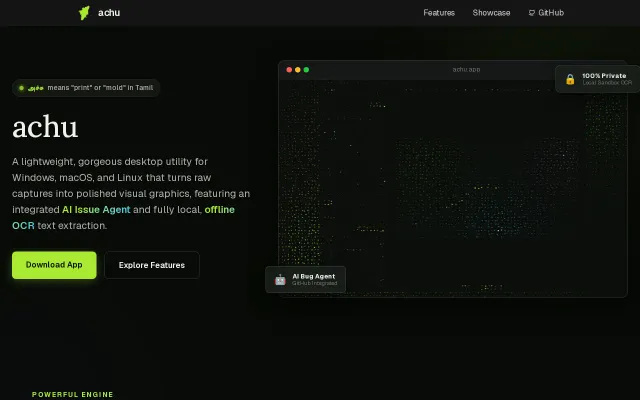
Local Tesseract OCR plus AI issue agent beats CleanShot for privacy-focused teams.
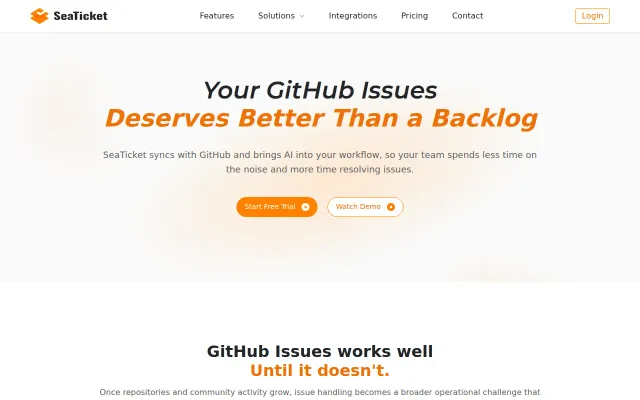
AI wrapper for GitHub Issues when Linear and Copilot already handle this.
Another AI issue tracker when Intercom and Zendesk already do this.
Claude agents solving GitHub/Linear issues autonomously—production-grade, 4K LOC tested, real demo.
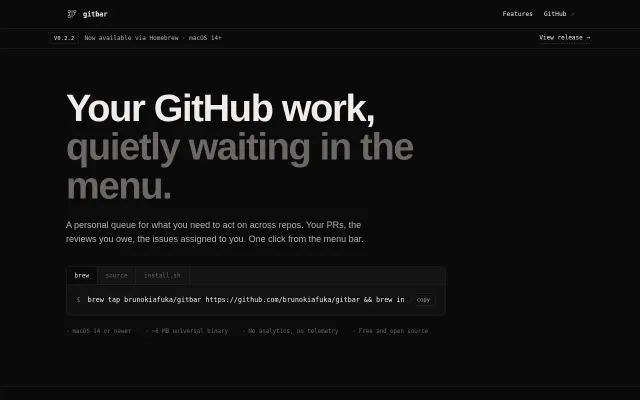
Native Swift menu bar app beats Electron bloat for GitHub queue management.