Education●Mid
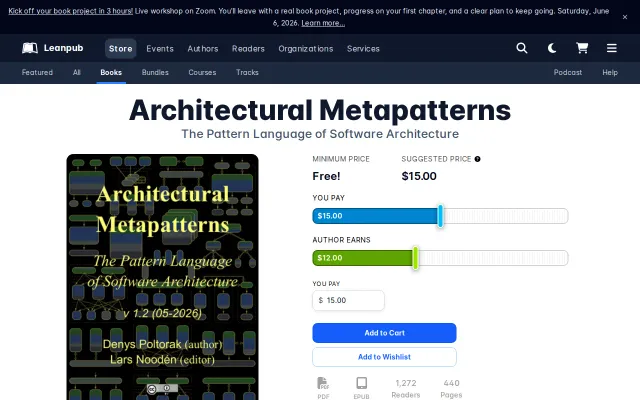
Book: the Pattern Language of Software Architecture
440-page architecture book with real testimonials, but Show HN favors shipped code over content.
Niche Gem
descri
1121d ago
Lisp history with actual code—niche but researched; limited audience beyond 1960s-onward language nerds.
Programming language enthusiasts, computer science students, Lisp practitioners, historians of computing
'Structure and Interpretation of Computer Programs' · 'Crafting Interpreters' · 'Language Implementation Patterns' (Parr)
My favorite languages are Smalltalk and Lisp, but as an Emacs user, I've been using the latter for much longer and for my current projects, Common Lisp is a better fit, so I call myself "a Lisp-er" these days. If people like what I did, I do have plans to write some more (but probably only after I retire, writing next to a full-time job is heard). Maybe on Smalltalk, maybe on computer networks - two topics close to my heart.
And a shout-out to Dick Gabriel, he contributed some great personal memories about the man who started it all, John McCarthy.
440-page architecture book with real testimonials, but Show HN favors shipped code over content.
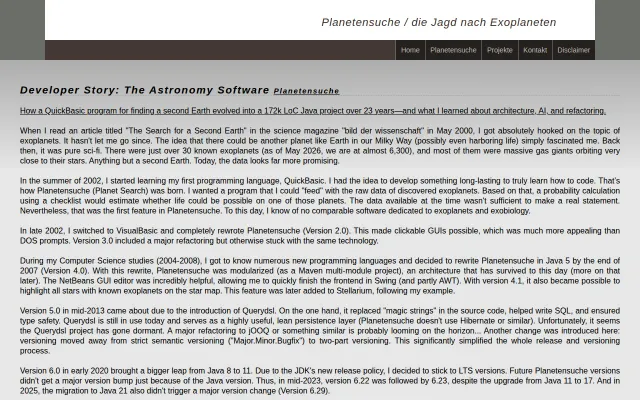
Rare 23-year refactoring diary from QuickBasic to modular Java.
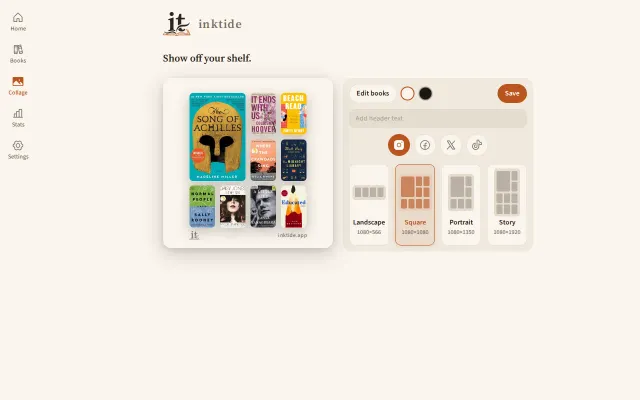
Pretty collage maker, but Canva and Pinterest templates already solve this.
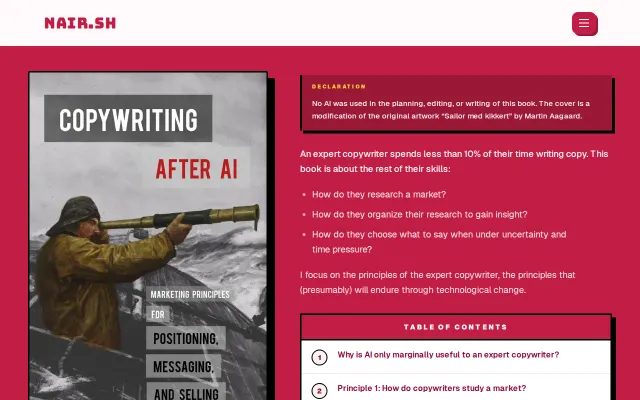
LLM-centric framing is smart, but curated guides already exist on HN weekly.
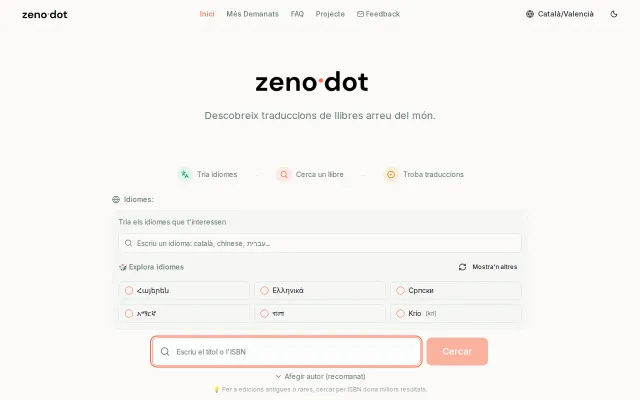
ISBN search for book translations across 100+ languages including Krio.
Valuable content, but Show HN is for shipped code, not books.