Other○Pass
32M lines of AI code – GED to AGI
208 projects listed, zero depth—rename your fork and call it a collection.
lordwilsonDev
203mo ago
Minimal examples of data structures and algorithms in Python
Files are single-purpose and readable: each algorithm comes with docstrings, type hints, complexity notes and runnable examples so you can read, test, or pip-install bits immediately. It isn't breaking new ground — algorithm collections are common — but the focus on clarity, tests, and a tiny surface API (merge_sort, BinaryHeap, dijkstra, etc.) makes this a reliable reference and teaching aid.
Students, educators, interview candidates, and developers learning algorithms/data structures
Each file is self-contained with docstrings, type hints, and complexity notes — designed to be read and learned from.
208 projects listed, zero depth—rename your fork and call it a collection.
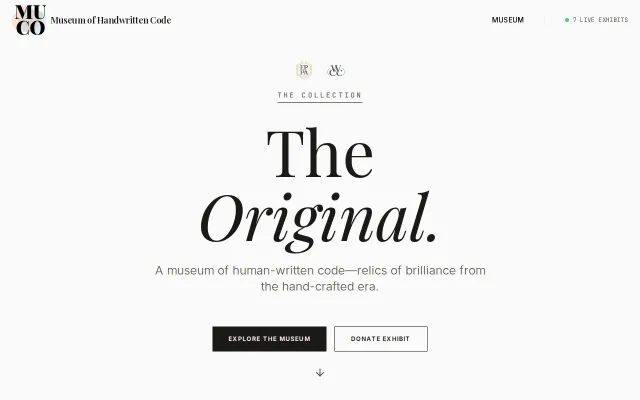
Beautiful nostalgia project for code history, but static exhibits lack interactive depth or learner tools.
Useful curation, but these datasets already exist on Kaggle and UCI.
1400-line clean-room NTFS repair spec when ntfsfix can't handle real corruption.
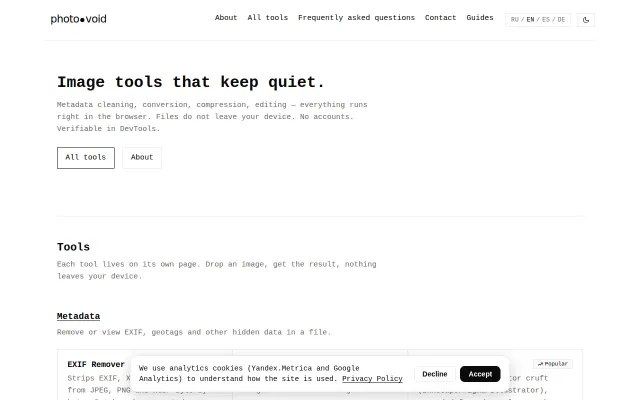
C2PA inspector and true PDF redaction stand out in a sea of basic EXIF removers.
Browser-side encryption before upload beats DocuSign's server-side storage model.