SaaS●●Solid

Open-source Workspace (mail,docs,spreadsheet,drive) web/iOS
Six apps with native protocols (IMAP, CalDAV, WebDAV) in one Docker container.
Bold BetSlick
nathanstitt
1113823d ago
The core idea is neat: put an RPN stack into a spreadsheet-like grid so you get both terse, stepwise entry and immediate dependency updates when you change an input. That combo feels like a thoughtful mobile-first answer to cramped phone spreadsheets. Main caveats: it's niche (RPN devotees) and the demo page gives little evidence about export, collaboration, or how complex formulas are expressed.
Engineers, accountants and power users who do ad-hoc numeric work on mobile (RPN fans and spreadsheet-heavy mobile users)
It combines the efficiency of Reverse Polish Notation with the visible structure and reactivity of a spreadsheet. You enter numbers and operators step by step, and you can retroactively change any value. All dependent calculations update immediately.
I love spreadsheets but I've never liked how cramped traditional spreadsheets feel on a phone. My goal was to make ad‑hoc, spreadsheet-like calculation on a phone feel direct and fluid.
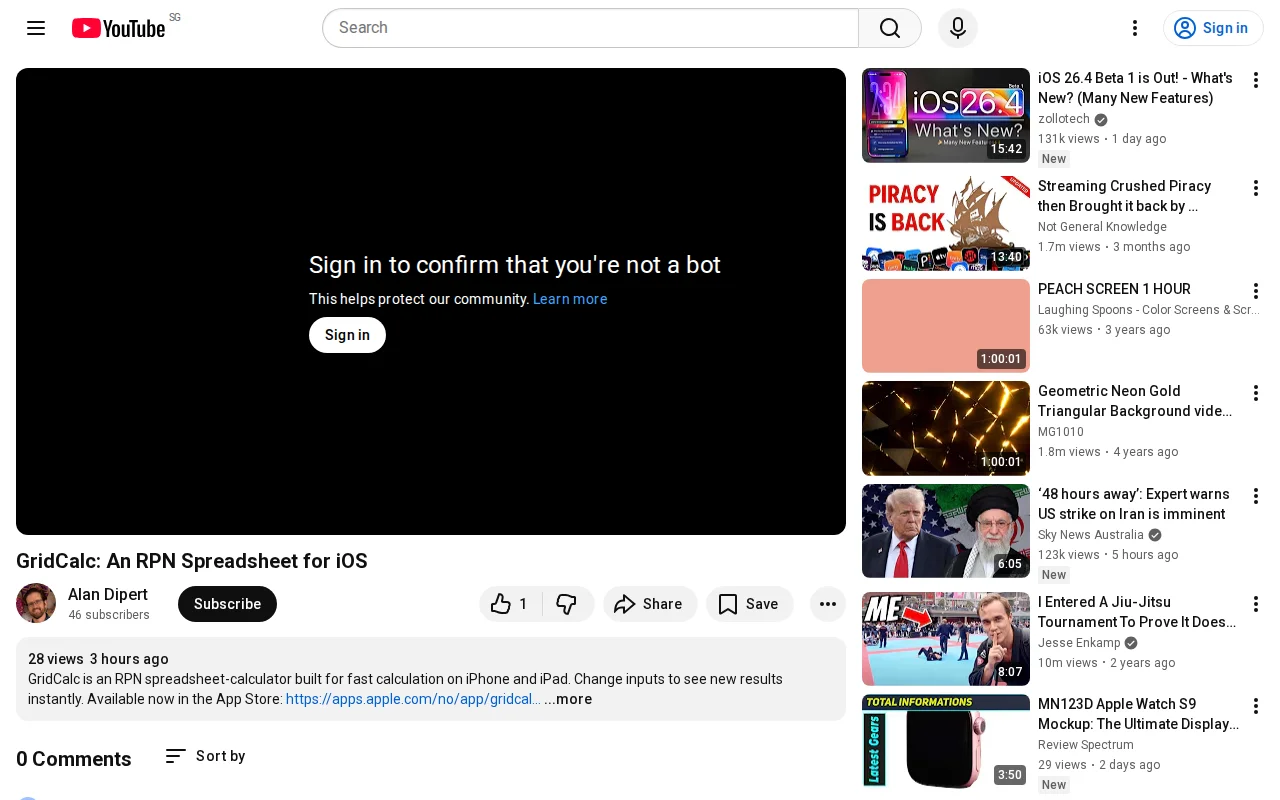
Here’s a short demo: https://youtu.be/M0HwzrGGuyc
App Store link: https://apps.apple.com/us/app/gridcalc/id6759011187
Happy to answer questions.
Six apps with native protocols (IMAP, CalDAV, WebDAV) in one Docker container.
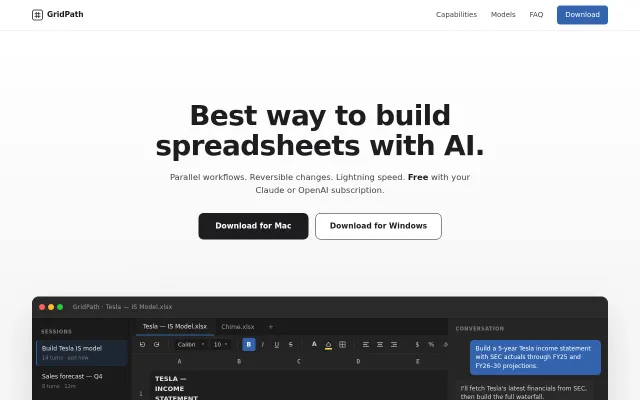
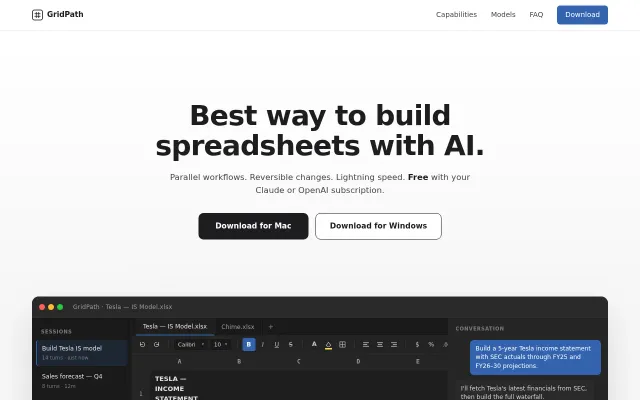
Diff-first AI edits with accept/reject workflow beats blind formula generation.
2.5min Tesla model build beats Excel plugins, but AI spreadsheets are getting crowded.
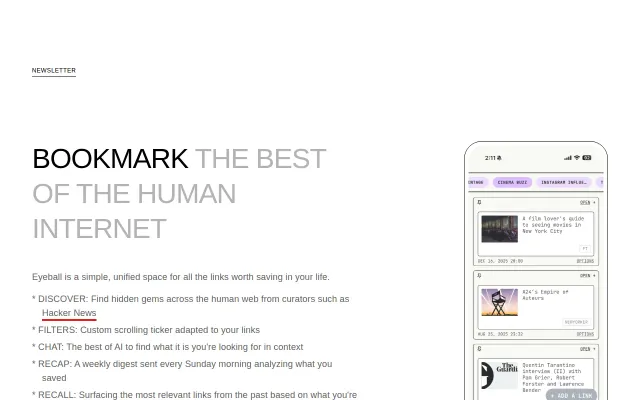
Pairs curated sources (they call out Hacker News) with an AI 'chat' to find saved links in context, plus a scrolling ticker and weekly 'recap' digest — a tidy feature set for obsessive bookmark keepers. It’s useful and focused, but not groundbreaking: the landing page doesn’t explain import/extension support or how the AI ranks relevance, and mobile-only availability will limit adoption unless browser integrations exist.
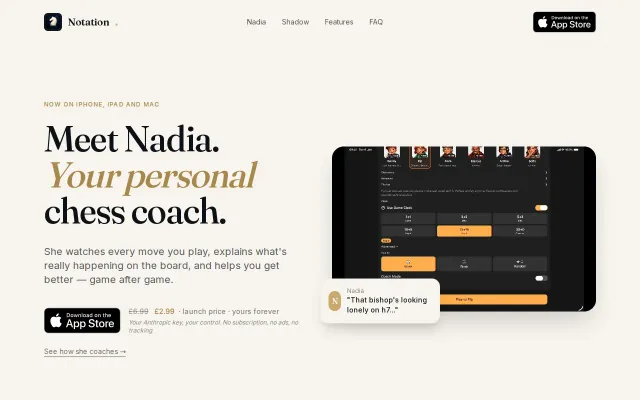
Shadow mode plays back your own style — genuinely clever way to practice against yourself.
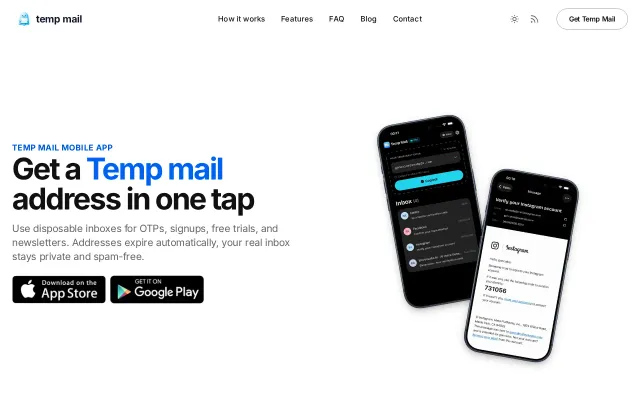
One-tap generation, copy-ready addresses, OTP-friendly inbox view and automatic expiry are all executed with sensible UX priorities — the screenshots show a clean, fast interface aimed at low friction. The offering itself is highly derivative (dozens of temp-mail services exist), so the claim of being the “fastest” needs backend transparency (retention windows, domain reuse, anti-abuse rules, benchmarks) before it becomes a real differentiator.