AI/ML●●●●Gem
Experiments Mapping the "Primitive Layer" in Language Models
Semantic primitives show up in activation patterns across Qwen, Gemma, LLaMA, SmolLM2.
WizardryBig BrainZero to One
dchisholm125
203mo ago
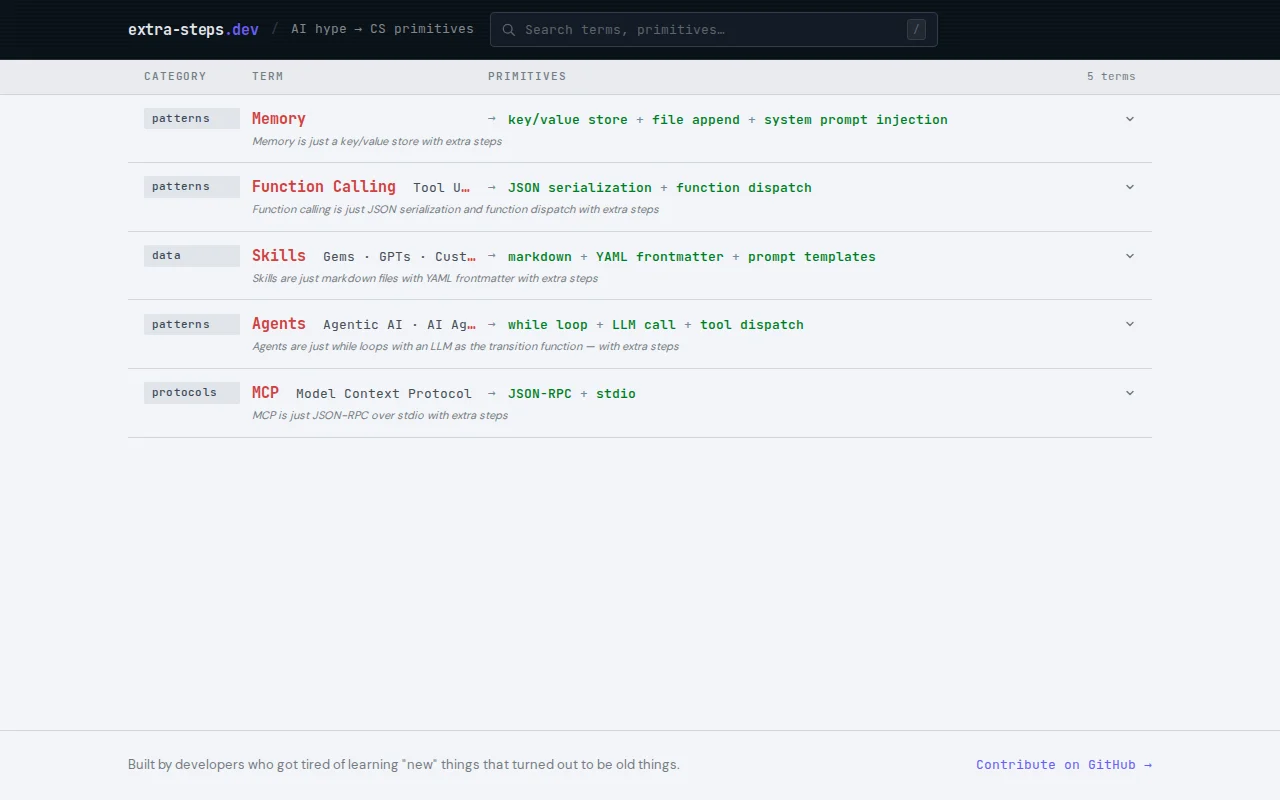
Each entry uses the blunt formula “X is just Y with extra steps” and ships expandable pseudocode plus citations, which makes it shockingly useful for clarifying debates in product or architecture meetings. The origins pages (Docker, Kubernetes, MCP) show historical depth instead of mere snark, so it feels like a tiny citadel of common-sense explanations rather than another buzzword glossary.
Software engineers, ML engineers, product managers and execs who need to cut through AI hype
MCP? JSON-RPC over stdio. Agents? A while loop with an LLM call. RAG? A search index + string concatenation. Prompt engineering? natural language + markdown
The site has an origins section for buzzwords that already graduated — Docker (cgroups + namespaces), Kubernetes (reconciliation loops watching YAML), Serverless (someone else's process on someone else's computer). And of course, BrandonM's 2007 comment on the Dropbox YC demo.
Each entry has expandable pseudocode on the index page, detailed breakdowns with citations on the detail pages.
The motivation: I keep having conversations at work where a product executive suggests that we "orchestrate APIs using MCP" or asks about implementing "agentic memory" in our web apps and the fastest path to a productive conversation is showing them the code underneath the buzzword. I wanted a community-based reference site like caniuse or mdn that I loved when learning to code. I couldn't find one, so I built one.
14 entries so far. Static Astro site, open source, PRs welcome.
https://extra-steps.dev
Semantic primitives show up in activation patterns across Qwen, Gemma, LLaMA, SmolLM2.
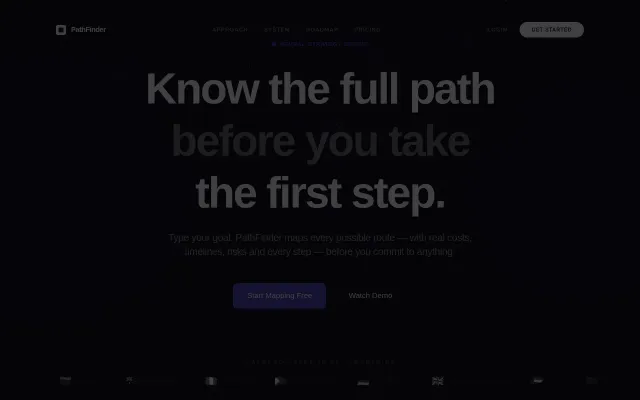
Heavy sci-fi branding obscures what is likely a standard LLM chain.
It actually does a concrete, unusual thing: edit PBFs to excise roads exposed to ALPR and then produce an OBF for offline routing in OsmAnd. The implementation leans on pyosmium/osmium-tool (the tricky bit is keeping PBF integrity) and ships as notebooks + a demo OBF, so it’s immediately useful to tinkerers but lacks a user-friendly pipeline or GUI for non-technical users.
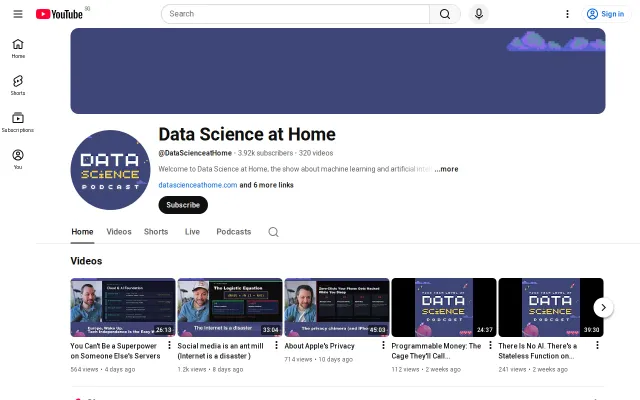
Content channel, not a software tool or library to evaluate.
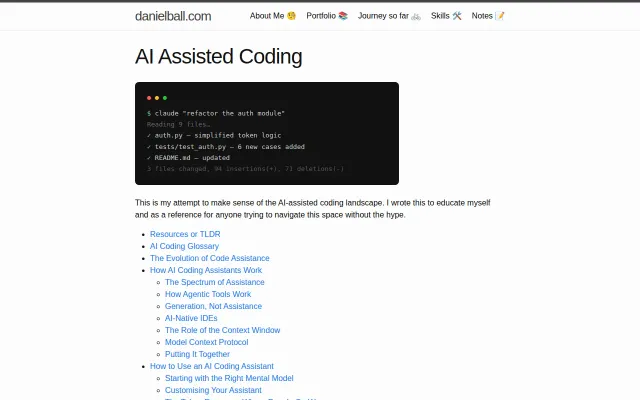
Comprehensive glossary and mental models, but it's a static blog post—not a product or tool.
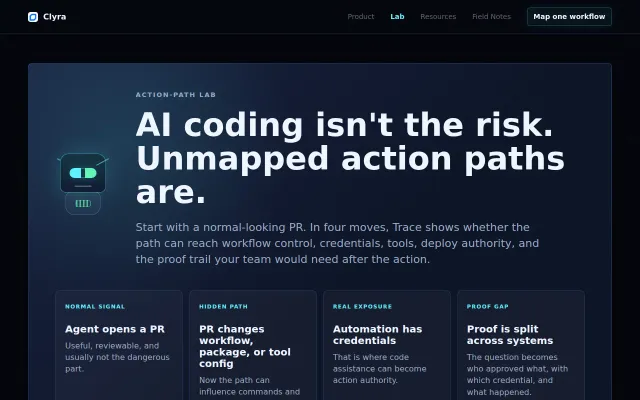
Visualizes the exact four-step path where AI code assistance becomes action authority.