SaaS●Mid
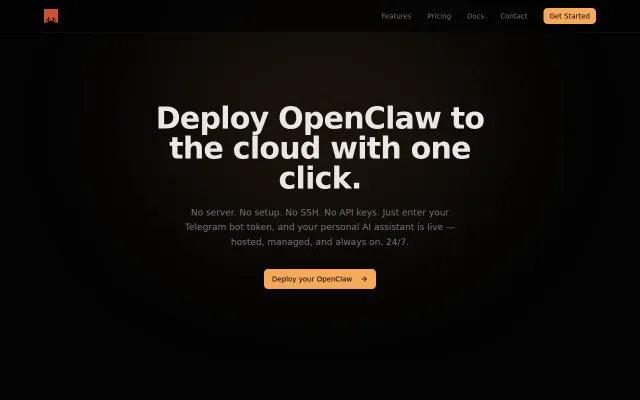
ClawShip – Deploy OpenClaw to the cloud with one click
OpenClaw hosting simplified, but unclear if this solves a real adoption bottleneck.
Ship It
emirce
104mo ago
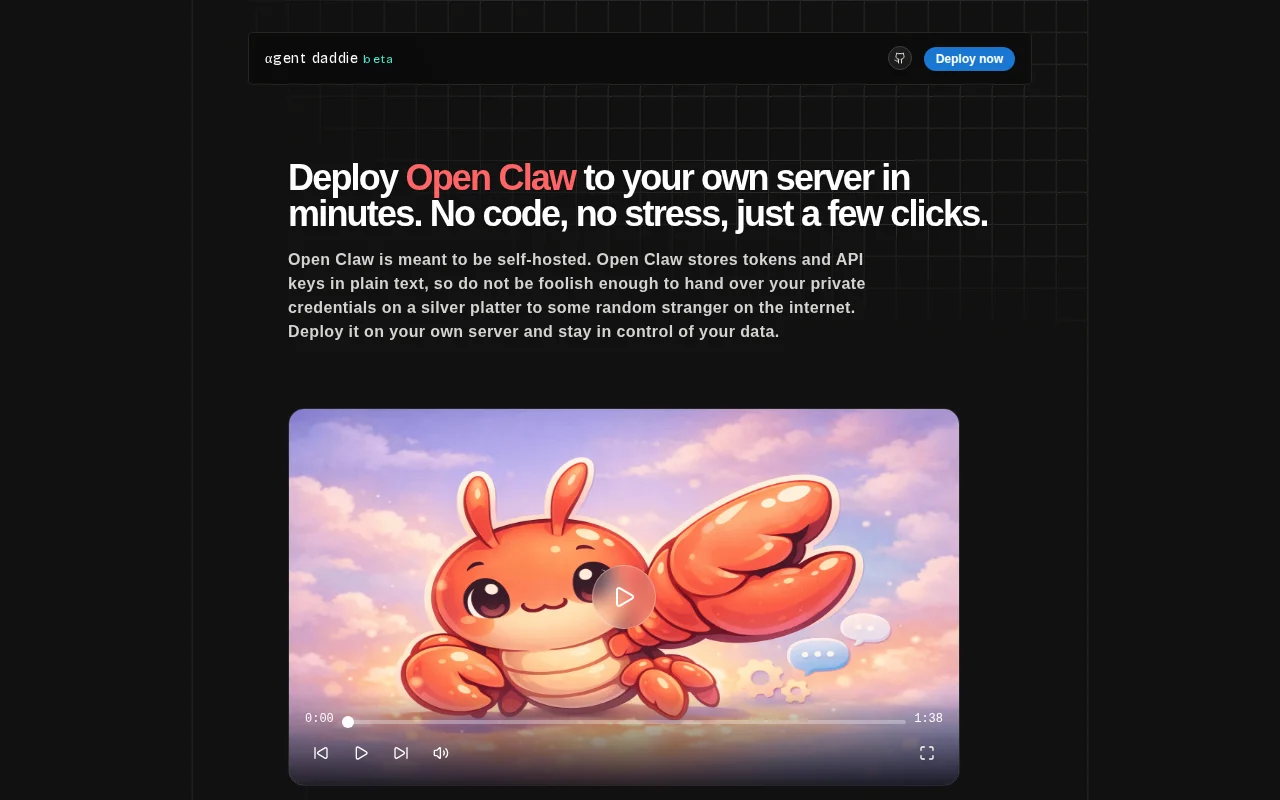
A pragmatic product: it strips away the ops friction of running OpenClaw by wiring DigitalOcean OAuth + a launcher to get an instance live in minutes, and even advertises Telegram and multi-LLM support. That said, it’s not reinventing the wheel — the real value is in the UX for non-operators and the security pitch about keeping keys off hosted services; I’d want clearer docs on secret handling, upgrades, and which parts are open source before trusting it with production data.
Developers, hobbyists and small teams who want to self-host AI agents (and non-technical users who prefer a one-click DigitalOcean deploy)
OpenClaw hosting simplified, but unclear if this solves a real adoption bottleneck.
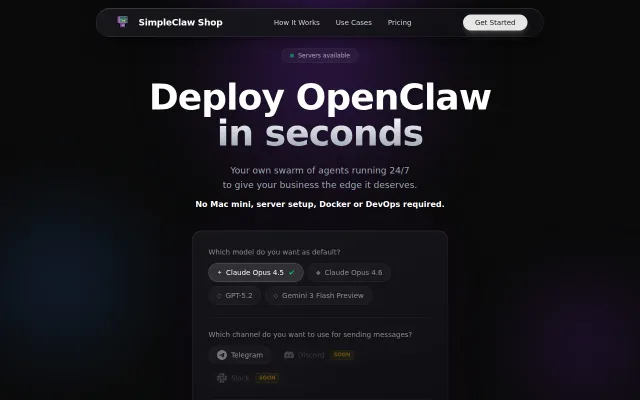
SimpleClaw makes a common pain trivial: pick a model, connect Telegram, and it claims to spin up a VM with OpenClaw in under a minute. The product shows useful, practical features — model picker (Claude/GPT/Gemini), channel integrations, BYOK/SSH support and clear VM sizing — but it’s essentially managed hosting for LLM agents rather than a conceptual leap; I’d want clearer details on pricing, multi-tenant isolation, and persistence before recommending it for business-critical bots.
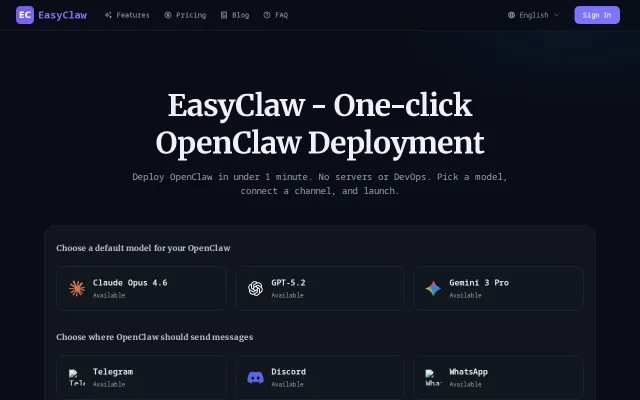
OpenClaw hosting for people who don't want Docker, but Replit, Modal, and Railway already solved one-click AI deployment.
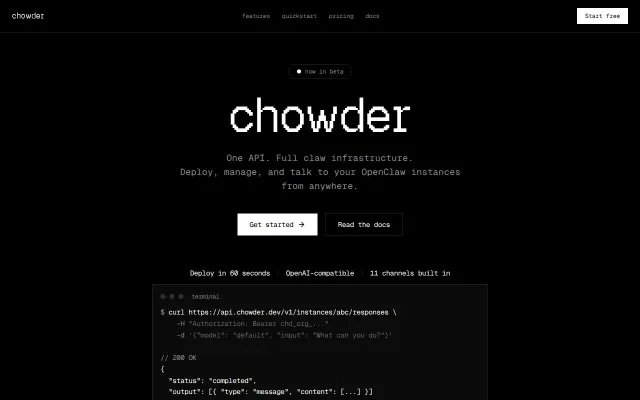
Chowder gives you one API call to spin up sandboxed OpenClaw instances with built-in channels (Telegram, Slack, WhatsApp, Signal) and session memory — plus a Skills marketplace for browsing, file access and code execution. The OpenAI Responses-compatible surface and scoped org/instance keys with rotation are the practical wins: less infra to manage and an easy migration path for tools that already speak that API. It’s a sensible, developer-friendly stitch of agent orchestration and multi-channel routing, not a radical re-think of the space.
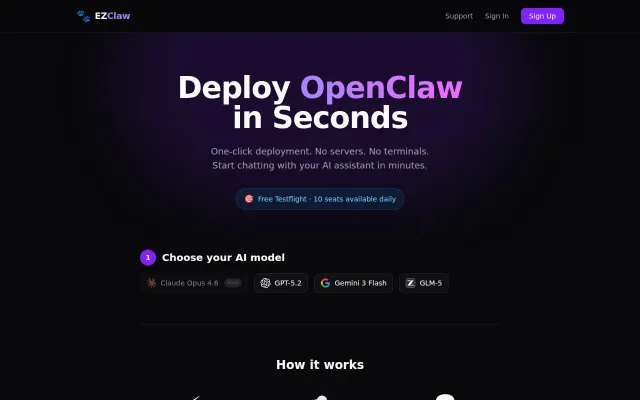
Wraps OpenClaw deployment, but Telegram bot hosting is a solved, commoditized problem.
Per-agent container isolation with separate networks beats shared-instance chaos.