Other○Pass
Claude Opus 4.7: Everything You Need to Know
Article about Claude Opus 4.7 with no actual tool or code.
Bold Bet
anju-kushwaha
112mo ago
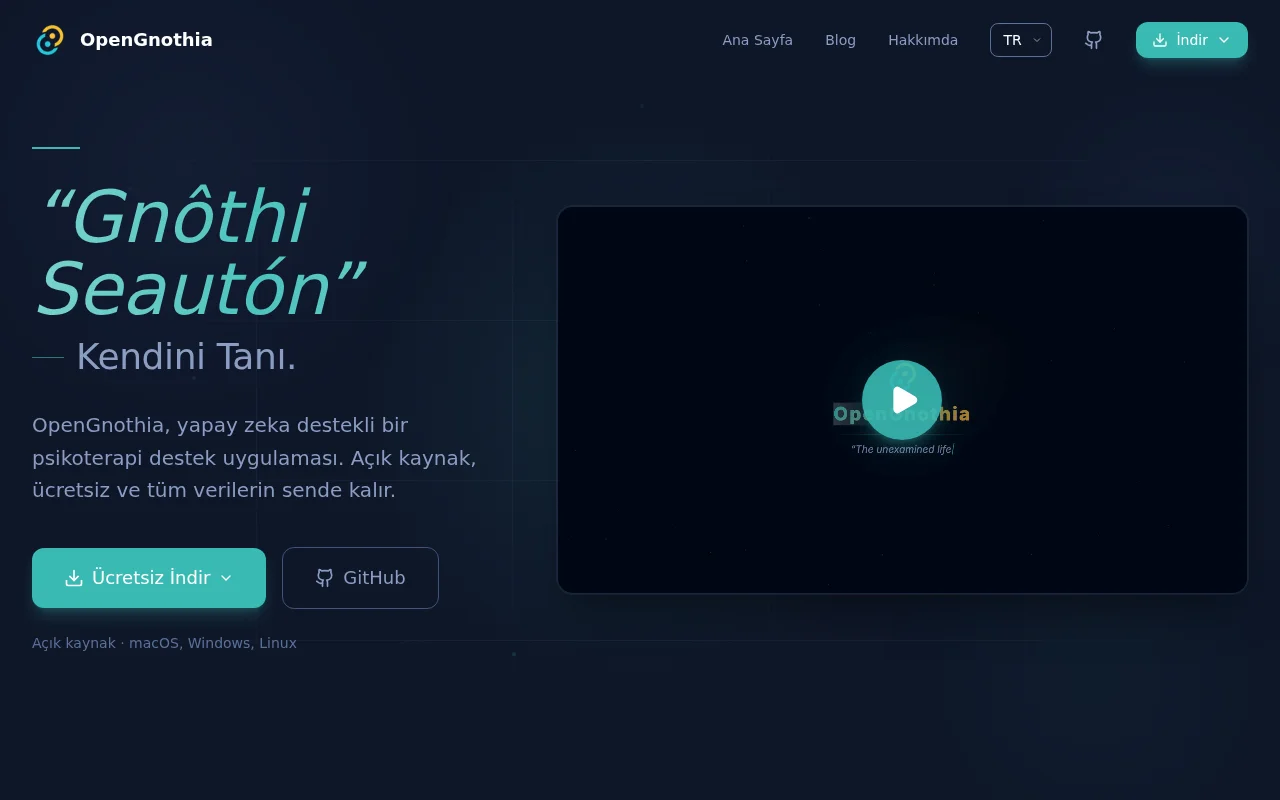
Claude-backed daily therapy notebook with session memory, but unvalidated mental health claims need care.
Therapy-curious individuals seeking daily self-reflection tools; people already in therapy wanting complementary support
Woebot · Replika · Talkspace
Desktop-only, intentionally. I think therapy should feel like sitting down with your thoughts, not scrolling on your phone. The desktop constraint is a feature. BYOK (Bring Your Own Key). You use your own Claude API key. No backend, no data collection, no accounts. Your conversations never leave your machine. This felt non-negotiable for something dealing with mental health. Built with Claude Code. I work full-time as a team lead at an edtech company, so this was built in evenings and weekends, mostly through vibe coding sessions. I use it myself daily. 15–20 min sessions with Opus + extended thinking. After weeks of use, it picks up on patterns in how you think — recurring avoidance behaviors, cognitive distortions, etc.
The name comes from "Gnothi Seauton" (Know Thyself) — the inscription at the Temple of Delphi. There's no comparable open-source tool in this space. Every mental health AI app I found is closed-source and collects user data. I wanted to build the alternative I wish existed. Feedback welcome — especially on the approach, architecture, or if this is fundamentally a bad idea. Happy to discuss. GitHub: https://github.com/Lepuz-coder/opengnothia
Article about Claude Opus 4.7 with no actual tool or code.
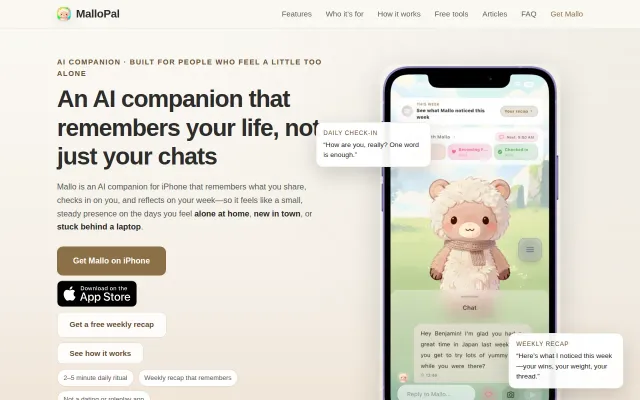
iOS AI companion with proactive check-ins in a saturated market.
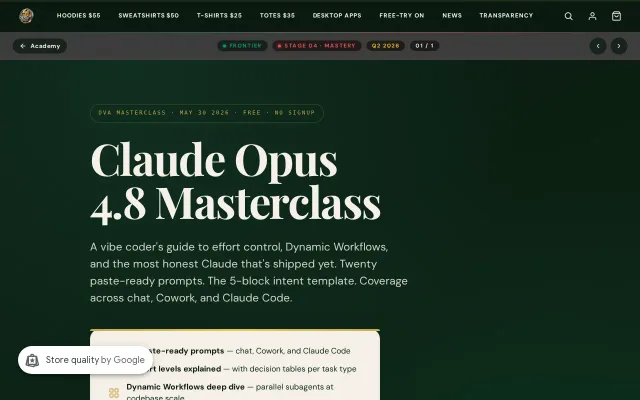
Useful prompt templates for Claude, but it's just a blog post, not a tool.
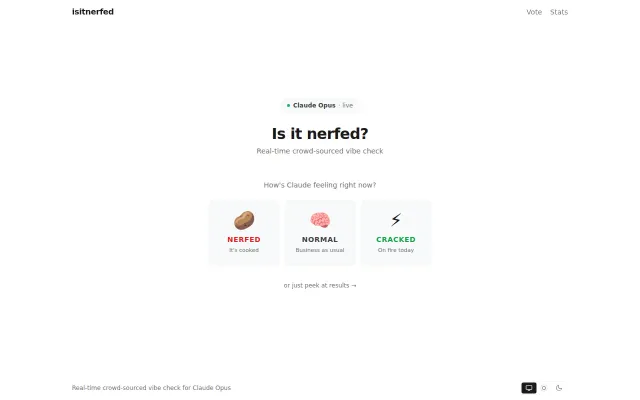
Crowd-sourced poll for Claude performance — fun, but a Google Form does this.
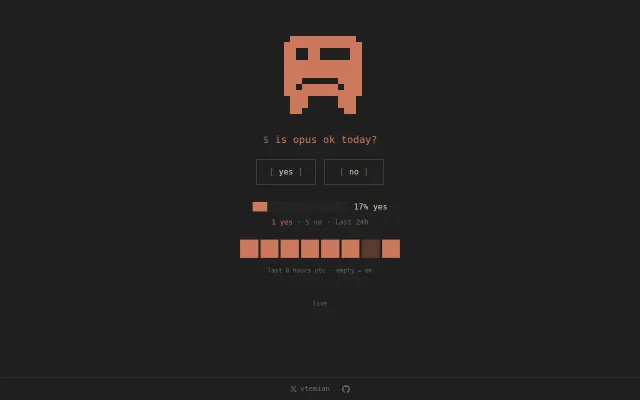
Crowdsourced Opus status tracker that beats checking the official Anthropic status page.
Claude in GitHub Actions with inline comments, but Codiumai and others already own this niche.