Productivity●Mid
I built an analytics engine for my OpenClaw usage
Personal analytics for OpenClaw when native tracking doesn't exist yet.
CozyNiche Gem
prrthh132
203mo ago
Your own personal data engineer for OpenClaw.
DuckDB+dbt+Snowflake skills for OpenClaw agents, but early and depends entirely on OpenClaw adoption.
Data engineers and analytics teams building data platforms who want AI-assisted scaffolding and workflows.
dbt Cloud Flows (orchestrated transformations) · Fivetran (ingestion automation, but commercial) · AI agents for code generation (GitHub Copilot for dbt, etc.)
I build data platforms (Snowflake, dbt, Airflow) and kept seeing the same issue: starting a clean analytics stack is harder than it should be. Not because of tools — but because of patterns.
How do you structure raw vs staging vs analytics layers? How do you ingest without creating a mess? How do you avoid rebuilding the same scaffolding every time?
So I pulled the patterns I use into something reusable.
ClawData is a skills library for OpenClaw that encodes practical ingestion and modelling workflows. It’s less about generating SQL and more about enforcing structure.
You can run it locally:
git clone https://github.com/clawdata/clawdata.git cd clawdata ./setup.sh
It checks for OpenClaw, installs if needed, and lets you select skills (DuckDB, dbt-style modelling, Snowflake patterns, etc.).
It’s early. I’m still figuring out the right abstractions.
Would appreciate feedback — especially on whether encoding data engineering patterns this way makes sense.
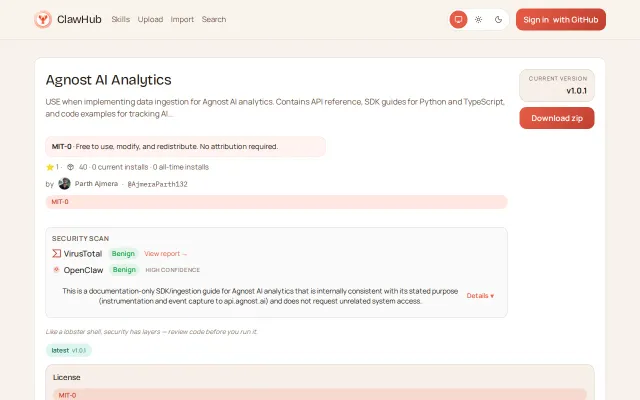
Personal analytics for OpenClaw when native tracking doesn't exist yet.
Reference docs for AI agents so they stop hallucinating OpenRouter code, but it's a structured prompt.
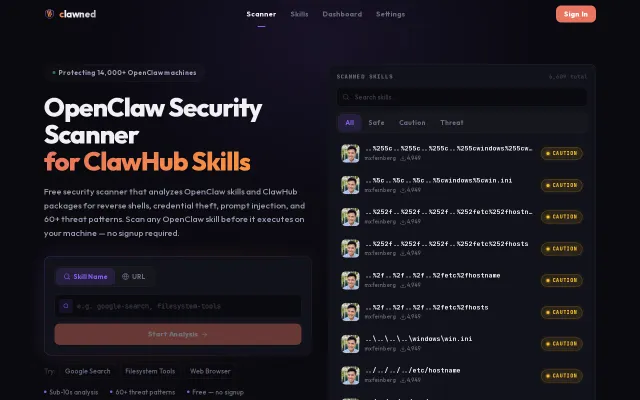
60+ threat patterns in sub-2s, but OpenClaw's ecosystem appears niche and unverified.
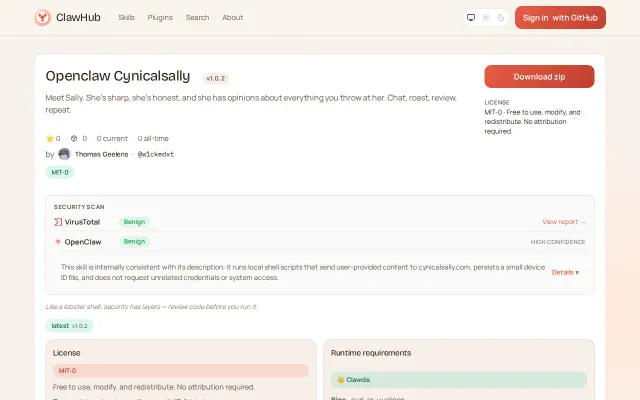
Personality skin on AI chat when countless chatbot personalities already exist.
Two-pass detection with 109-entry word replacement table across three tiers.
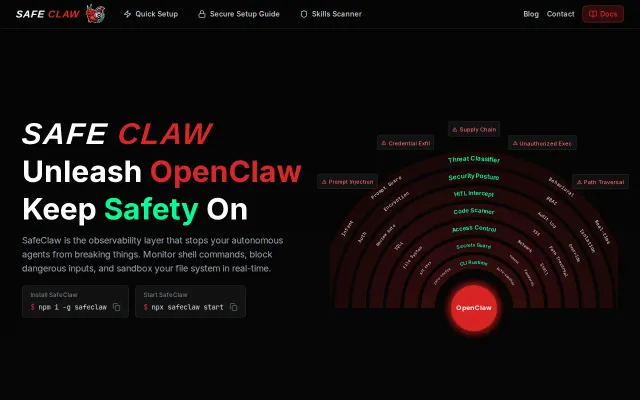
It actually looks for the weird stuff that trips up LLM agents — invisible Unicode, bidi overrides, embedded curl|bash one-liners, exfil links — and pairs a static skill scanner with a real-time interception flow that forces human approvals. The CLI-first approach (npx safeclaw start) plus Socket.IO alerts and per-command allow/deny decisions show practical thinking about developer workflows; I want to see model/false-positive metrics and enterprise integration docs next.