AI/ML●●Solid
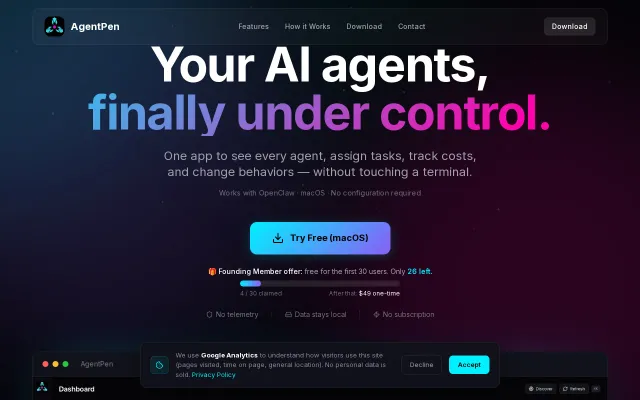
AgentPen – macOS dashboard for managing OpenClaw AI agents
OpenClaw management without SSH: cost tracking, task kanban, and one-click VPS deploy.
SlickSolve My Problem
sara_builds
323mo ago
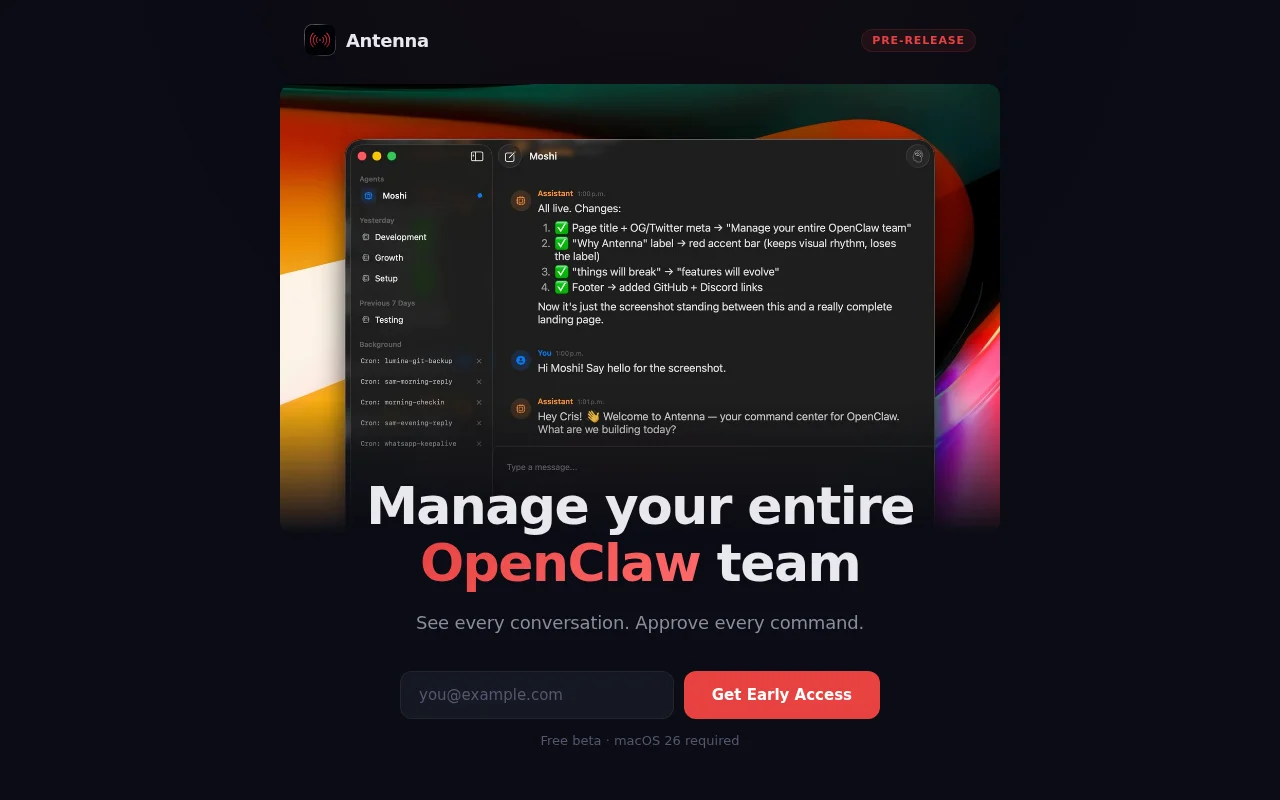
OpenClaw agent hub, but pre-release and macOS-only limits the addressable market.
Developers and teams running multiple OpenClaw autonomous agents who need centralized visibility and safe command approval.
OpenClaw (parent tool being managed) · Cursor (agent chat interface paradigm)
I’m building Antenna, a Mac app to manage an OpenClaw team in one place. If you run multiple agents, it gets messy fast: scattered chats, unclear command approvals, and poor visibility into what happened where. Antenna is my attempt to make that operationally sane.
Right now I’m focused on three things: seeing conversations across agents in one UI, approving commands safely, and keeping sessions manageable as context grows.
I’m currently testing better visibility into usage/context per session, smoother coding/review workflows, and lightweight controls that reduce complexity instead of adding more.
This is early and moving quickly. I’d really value feedback on: what would make this trustworthy enough for daily use, what’s missing for teams running multiple agents, and what would stop you from adopting it.
OpenClaw management without SSH: cost tracking, task kanban, and one-click VPS deploy.
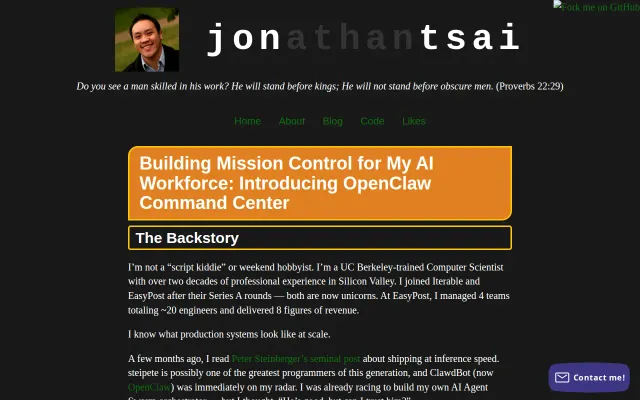
One person's 1000x productivity story—but lacks shipping discipline and user-independent product.
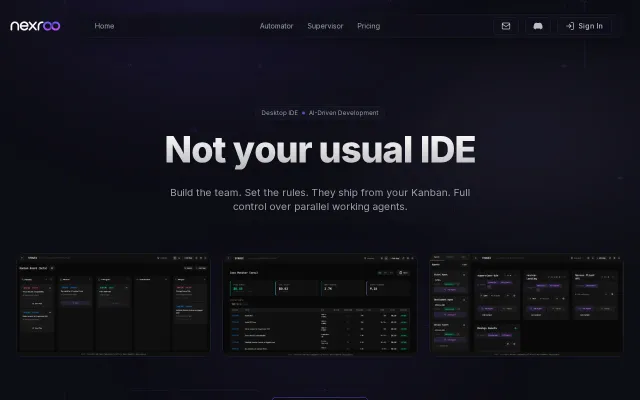
It wires practical, product-focused features together—scoped agent permissions, automatic context injection from apps, persistent background agent sessions, and Kanban-driven ticket pickup that spawns branches/worktrees and auto-opens PRs. Useful, pragmatic feature set for teams that want to run many LLM workers without chaos, but its ultimate value will hinge on integrations, security/permission guarantees, and how well it handles real-world scale and noise.
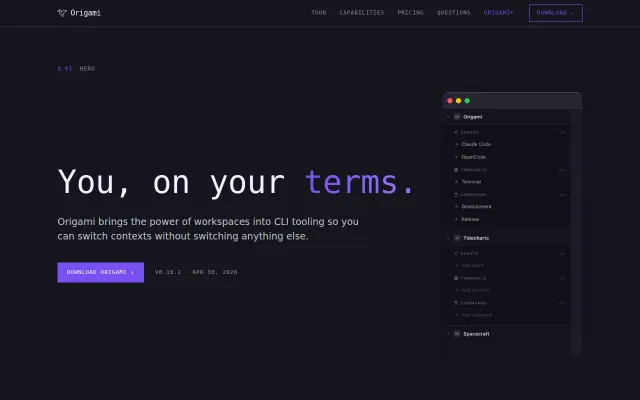
Yet another terminal multiplexer, but with built-in MCP and agent tab management.
GUI wrapper around OpenClaw, but competing installers already exist for the same tool.
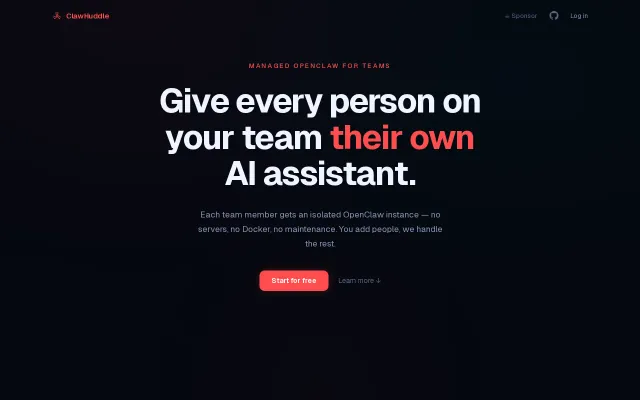
Turns 60-minute-per-person OpenClaw setup into a 2-minute invite, but only solves for one framework.