Developer Tools●Mid
Gcrunner – Run GitHub Actions on Google Cloud VMs
Yet another self-hosted runner wrapper—GitHub already supports this natively.
Solve My Problem
memothon
102mo ago
A GitHub Action that creates a secure, temporary bridge to your private network via Tailscale to deploy or update stacks on a Portainer instance. No public ports, no VPN juggling—just secure CI/CD.
Ephemeral Tailscale OAuth + Portainer API eliminates port exposure for home server CD.
Self-hosted Portainer users, home lab/edge deployment teams, security-conscious DevOps engineers
ArgoCD (GitOps, but public clusters) · Portainer Community Edition (local, no remote CD) · Ansible + Tailscale (manual orchestration)
Marketplace: https://github.com/marketplace/actions/portainer-tailscale-d... Happy to answer questions — feedback welcome, especially if you use Portainer + Tailscale differently.
Yet another self-hosted runner wrapper—GitHub already supports this natively.
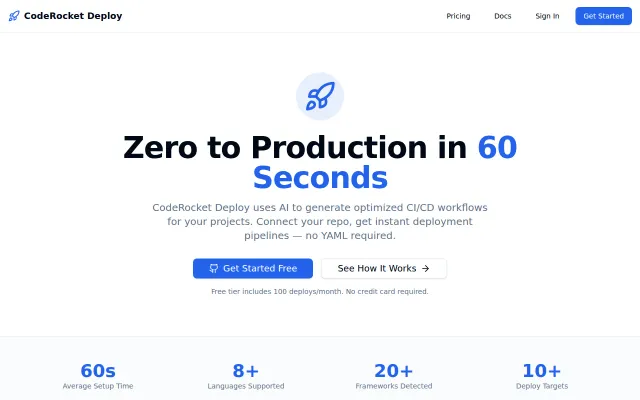
Claude-powered GitHub Actions scaffolding when Vercel, Railway, and native GH Actions already solve this.
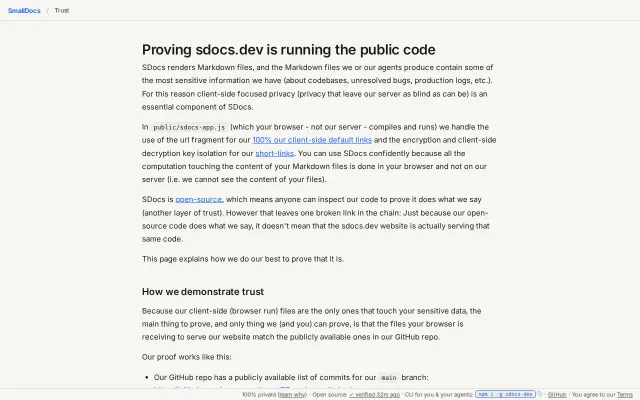
SHA-256 hash verification via CI, but reproducible builds already solve this.
It uses an LLM not just for scaffolding but as an active repair agent: Claude generates Dockerfiles, diagnoses crashes (diagnoseCrash) and can trigger redeploys or memory scaling. The architecture ties BullMQ, Fly Machines and a 30s health loop into a real feedback loop — clever and ambitious, but it also leans heavily on Claude + Fly/Supabase so expect nontrivial setup and vendor/LLM dependency.
SBOMs for CI/CD pipelines catch transitive action deps that grep misses entirely.
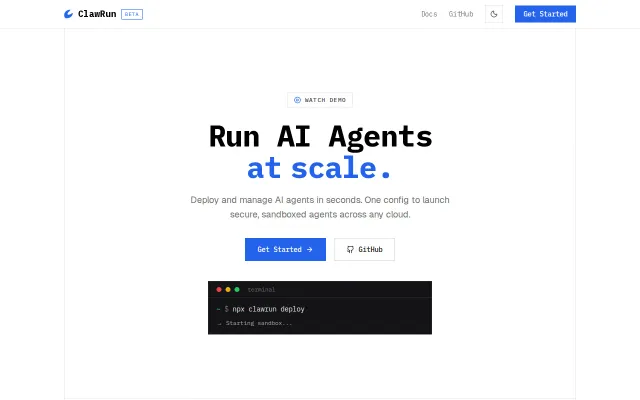
Firecracker sandboxes with snapshot hibernation solve the always-on cost problem for agents.