Developer Tools●●Solid
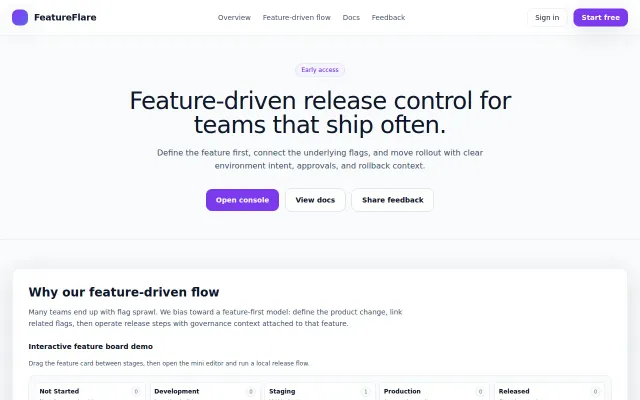
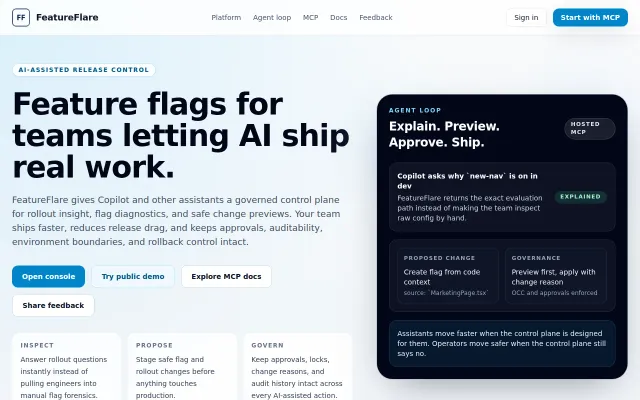
FeatureFlare – safer feature rollouts with targeting, release workflows
Feature-first flag model with staged rollout, but LaunchDarkly and Split already own this space.
Solve My ProblemShip It
jsonstcyr
103mo ago
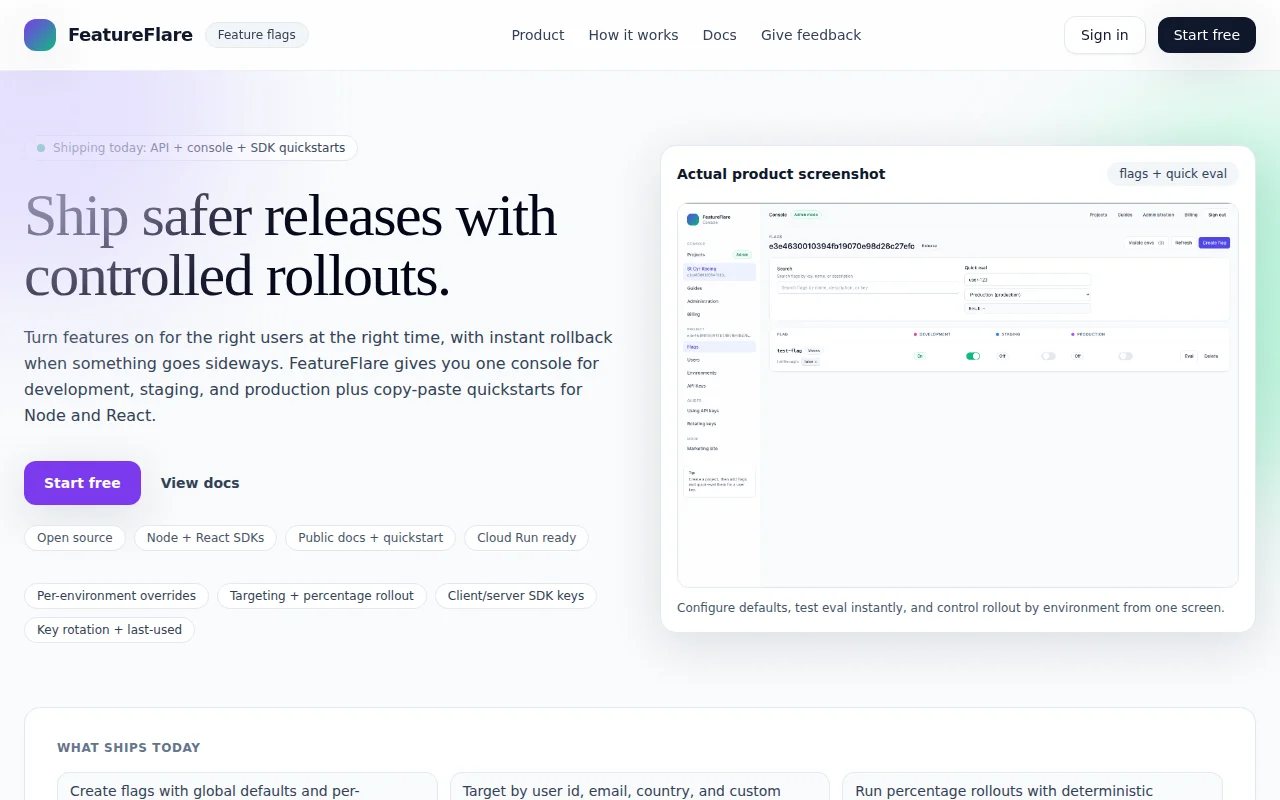
LaunchDarkly alternative for small teams, but feature flag SaaS is crowded.
Small SaaS teams (1–10 engineers) wanting feature flags without LaunchDarkly's overhead
Unleash · LaunchDarkly · Split.io
Hi HN,
At several companies I worked at, feature flags followed the same pattern:
Someone suggests LaunchDarkly. Everyone agrees it’s solid. Then someone sees the pricing. The team decides to “just build something simple.”
A few months later:
- Flags scattered across the codebase - No consistent rollout logic - No structured targeting - Weak environment separation - No proper kill switch - Old flags never cleaned up
Rolling your own starts simple but slowly becomes infrastructure you didn’t intend to maintain.
After seeing this happen more than once, I built FeatureFlare:
The goal isn’t to compete with enterprise platforms. It’s to serve small SaaS teams (1–10 engineers) that want proper feature flagging without sales calls or enterprise overhead.
Core functionality:
- Per-environment flags - Percentage rollouts - Rule-based targeting - Immediate kill switches - Simple API and SDK usage
The focus is on keeping flag logic centralized and structured so it doesn’t turn into conditionals scattered across the codebase.
I’d really appreciate feedback on:
- Is this actually a meaningful gap? - Do most small teams just roll their own? - What would make you not build this internally?
Happy to answer any technical questions about architecture, scaling model, or tradeoffs.
Feature-first flag model with staged rollout, but LaunchDarkly and Split already own this space.
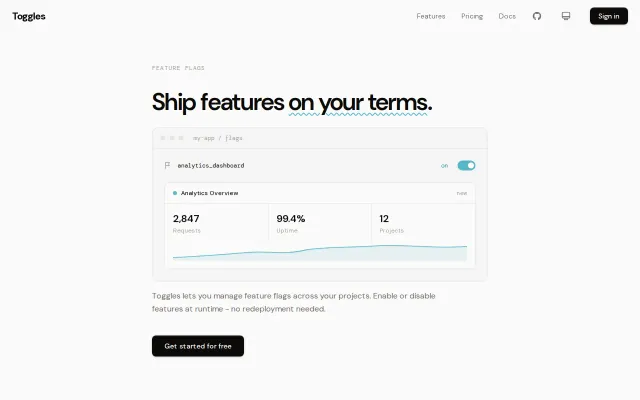
Yet another feature flag system, but uses Redis you already have instead of SaaS.
Another self-hosted flag tool in a sea of LaunchDarkly clones and Unleash forks.
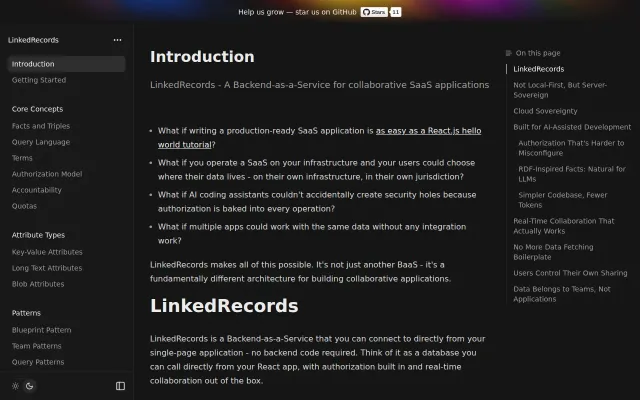
The neat twist is pushing real-time merging (CRDT/OT) into a server-authoritative BaaS while baking authorization into the data model itself — that’s a practical, non-obvious tradeoff compared to local-first systems. The README/landing shows a React hook SDK, OpenID Connect support, and an RDF-style query surface, which makes this feel like a deliberate platform for enterprise SaaS where auditability and data-jurisdiction matter. Worth watching if you need real-time collaboration but can’t accept vendor-controlled data or client-side auth.
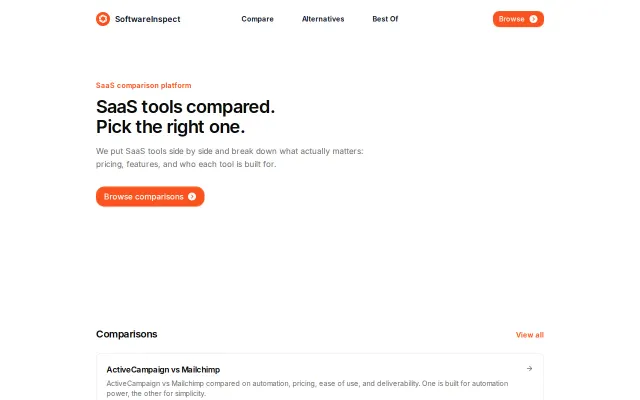
Another SaaS directory competing with G2 and Capterra without clear differentiation.
MCP integration for feature flags is timely, but LaunchDarkly owns this category.