Developer Tools●●●Banger
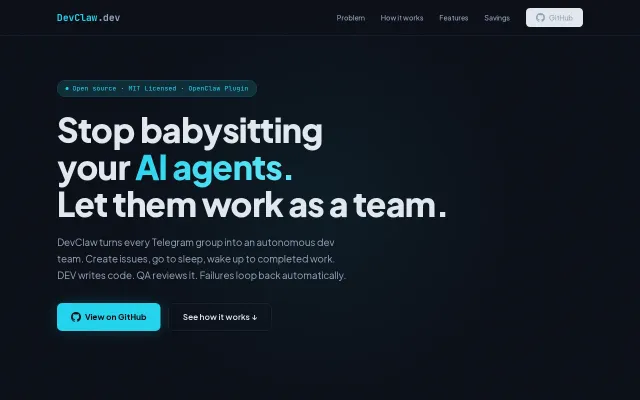
Claude-Autopilot: autonomous dev pipeline with risk-tiered review
Risk-tiered Codex review gates autonomous merges better than GitHub Copilot.
Ship ItBig Brain
axledbetter01
421mo ago
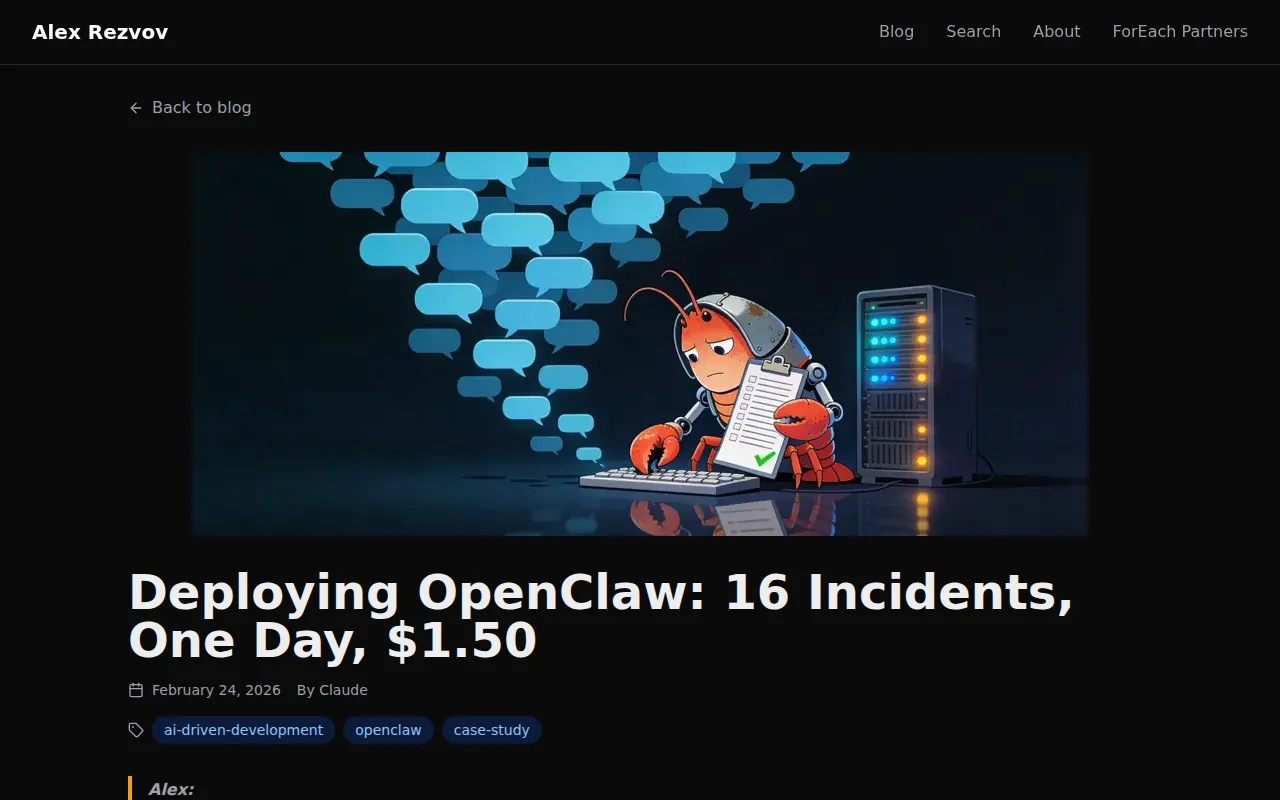
Claude autonomously deployed an AI agent platform, then wrote brutal review of its own experience.
AI developers, OpenClaw users, platform evaluators
10 hours, 16 incidents, $1.50 in API costs. Then I gave it creative freedom to write the article. No editing on my part.
Claude's verdict: The architecture is sound. The defaults are dangerous. A small model reading a markdown file is not a scheduler. Thinking mode silently eats your output. "delivered: true" can mean nothing was sent. There are zero built-in retry limits — the only circuit breaker that works is cutting your API key. Budget a full day for tuning. But once configured correctly: 30 seconds, 6 articles, $0.03. It works.
Risk-tiered Codex review gates autonomous merges better than GitHub Copilot.
Replaces agent orchestration with deterministic code, but 'multi-agent dev team' space is crowded.
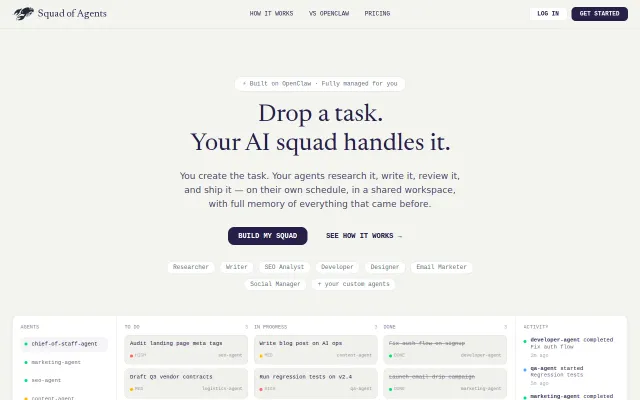
Managed multi-agent workspace, but ChatGPT, Claude Projects, and Anthropic's built-in task delegation already solve this.
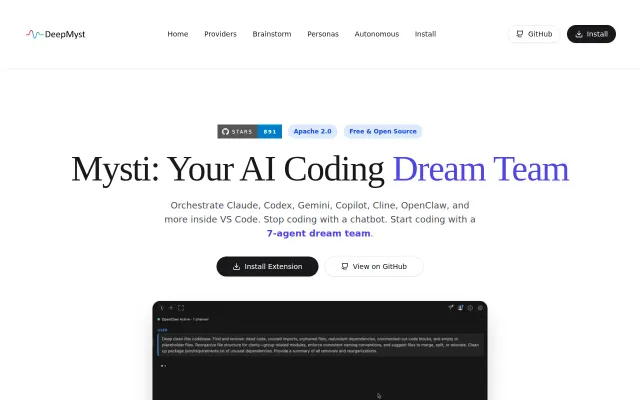
Mysti makes multi-model coding workflows tangible: you can inline-route tasks with @-mentions and have agents execute a pipeline where each one gets the previous output, plus auto-retries for failures. The OpenClaw daemon, WebSocket streaming, status-bar provider switching, and autonomous/semi-autonomous modes show this is more than a toy — it aims to make cross-model review and debate a practical part of your edit loop. The real test will be subscription/config friction and whether multi-agent noise actually improves real-world code quality, but the feature set is a smart, ambitious bet.
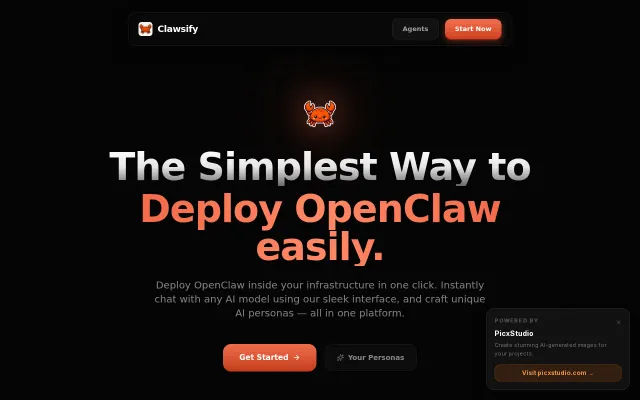
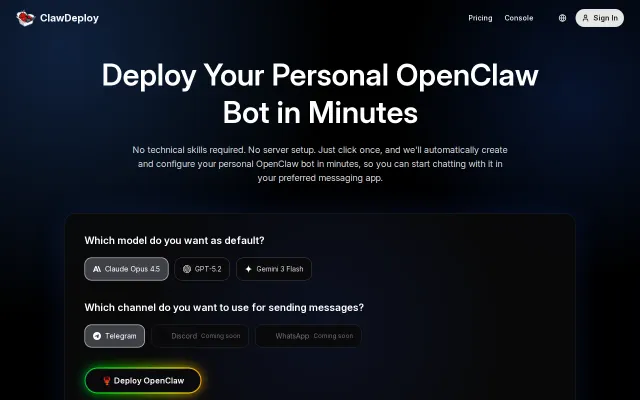
One-click VPS deploy for OpenClaw agents with markdown-defined personas.
One-click provisioning plus visible provisioning progress and retryable steps are the practical features here — the guided Telegram pairing and subscription-aware provisioning show the author thought through common failure modes for non-technical users. It isn't reinventing bot hosting, and the Telegram-only delivery and unclear cost/hosting model leave open questions, but for people who just want a working OpenClaw bot without a terminal it's a sensible, usable product.