AI/ML●●Solid
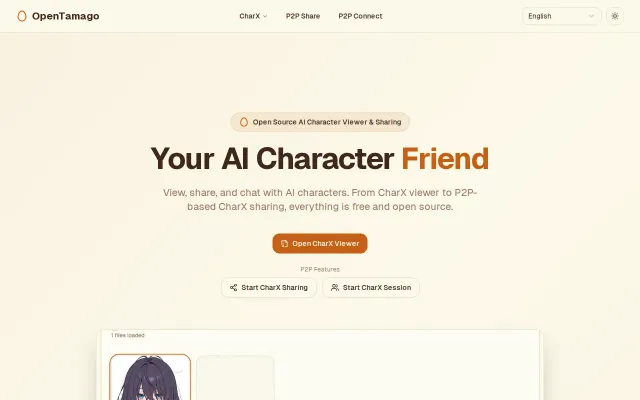
OpenTamago – P2P GenAI Tamagotch
P2P + local processing angle is genuine; Tamagotchi nostalgia doesn't hide that it's experimental.
Bold BetNiche Gem
boiling_eggs
403mo ago
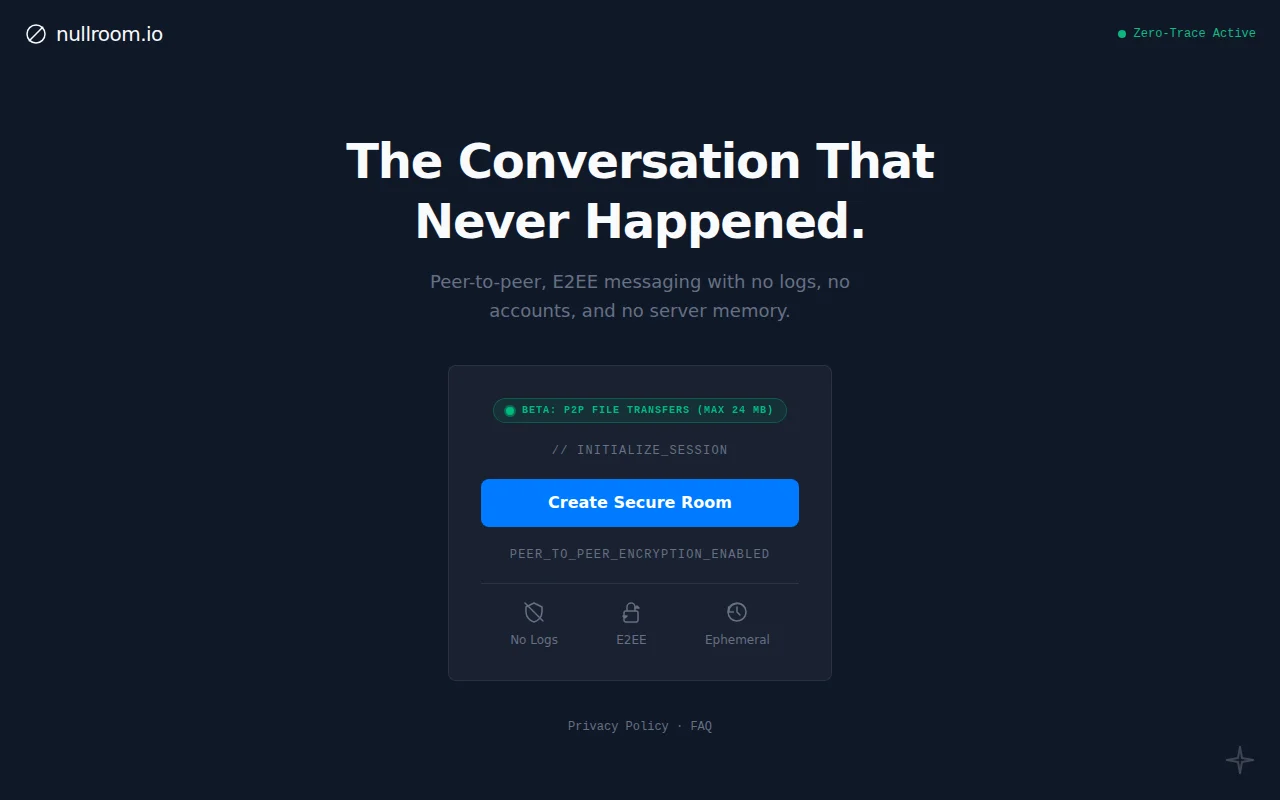
Zero-trace P2P messaging via WebRTC, but SignalTown, Ricochet Refresh already prove this model works.
Users needing ephemeral, untraceable file and message exchange (journalists, activists, privacy-conscious individuals)
Signal Private Messenger · Ricochet Refresh · OnionShare
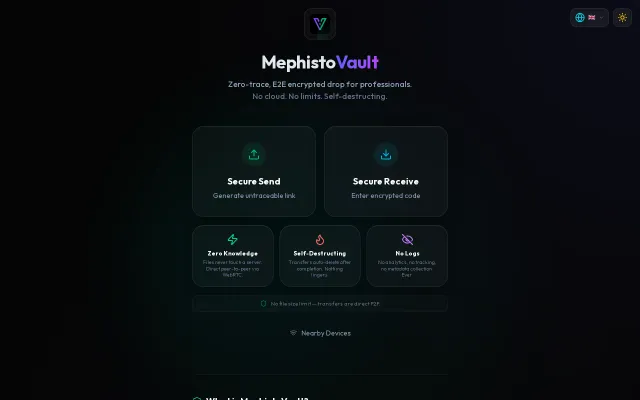
I’ve been experimenting with WebRTC and Rails 8 to see if it's possible to build a messaging utility that is truly "stateless". I wanted to create something for those moments when you need to move a snippet of text or a file between devices without leaving a trace on a server, a database, or a third-party cloud.
The AI Collaboration: I also want to mention that this project has been a deep dive into collaborating with AI. I used AI to brainstorm the "Zero-Trace" architecture, help me harden the infrastructure after a security audit.
How it works:
Zero-Trace Architecture: No accounts, no cookies (beyond basic security), and absolutely no server-side logging.
Client-Side Encryption: Encryption keys stay in the URL fragment (#). Since fragments are never sent to the server, the signaling layer is cryptographically blind to your data.
P2P Signaling: We use ActionCable for the initial handshake. Once the WebRTC DataChannel is established, the conversation and file transfers happen directly between browsers.
Zero Third-Party Dependencies: No external fonts, scripts, or trackers. Everything is served from the origin to prevent IP leakage to third-party providers.
The Beta Experiment: I'm currently testing the stability of the P2P signaling. I’ve enabled file transfers (up to 24MB) for everyone during this phase. I’m curious to see how the connection logic handles different network environments.The Tech Stack:
Framework: Rails 8 Deployment: Kamal 2 on a single VPS
I’d love to get your thoughts on the UX and any edge cases you find with the WebRTC handshake!P2P + local processing angle is genuine; Tamagotchi nostalgia doesn't hide that it's experimental.
WebRTC P2P tunneling without accounts, unlike ngrok's cloud relay architecture.
P2P WebRTC remote access means no cloud relay for mobile control.
WebRTC P2P file drop with no backend; but privacy UX is crowded (SnapDrop, OnionShare).
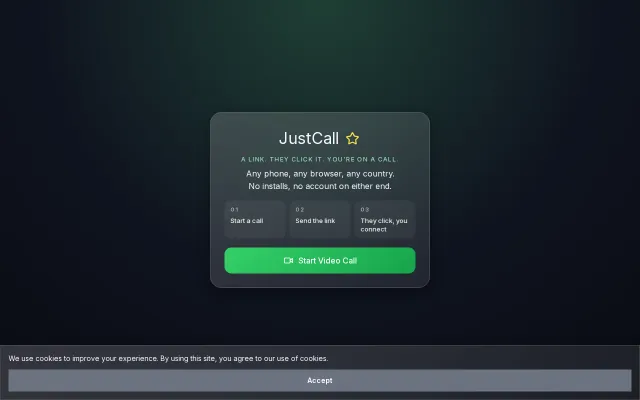
No-account WebRTC calls when Jitsi and Whereby already do this free.
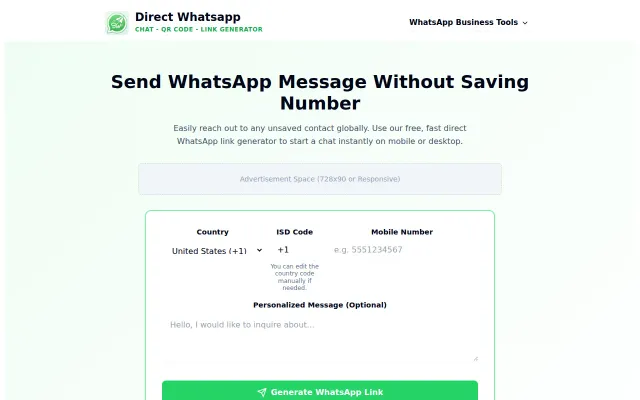
Solves a real friction point, but wa.me links already do this for free.