AI/ML●●Solid
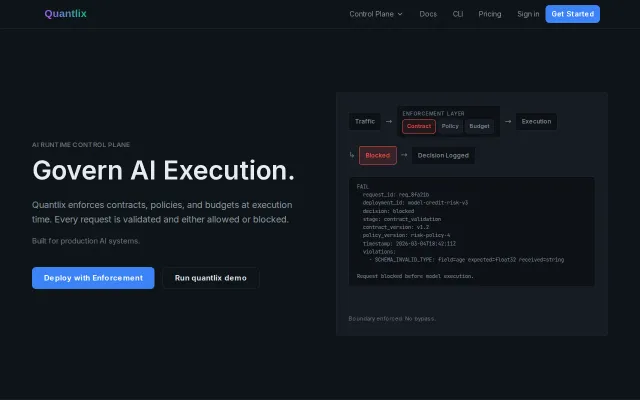
Quantlix – Runtime enforcement layer for AI systems
Schema + policy + budget enforcement at execution boundary before model hits.
Big BrainSolve My Problem
jensenjesper
103mo ago
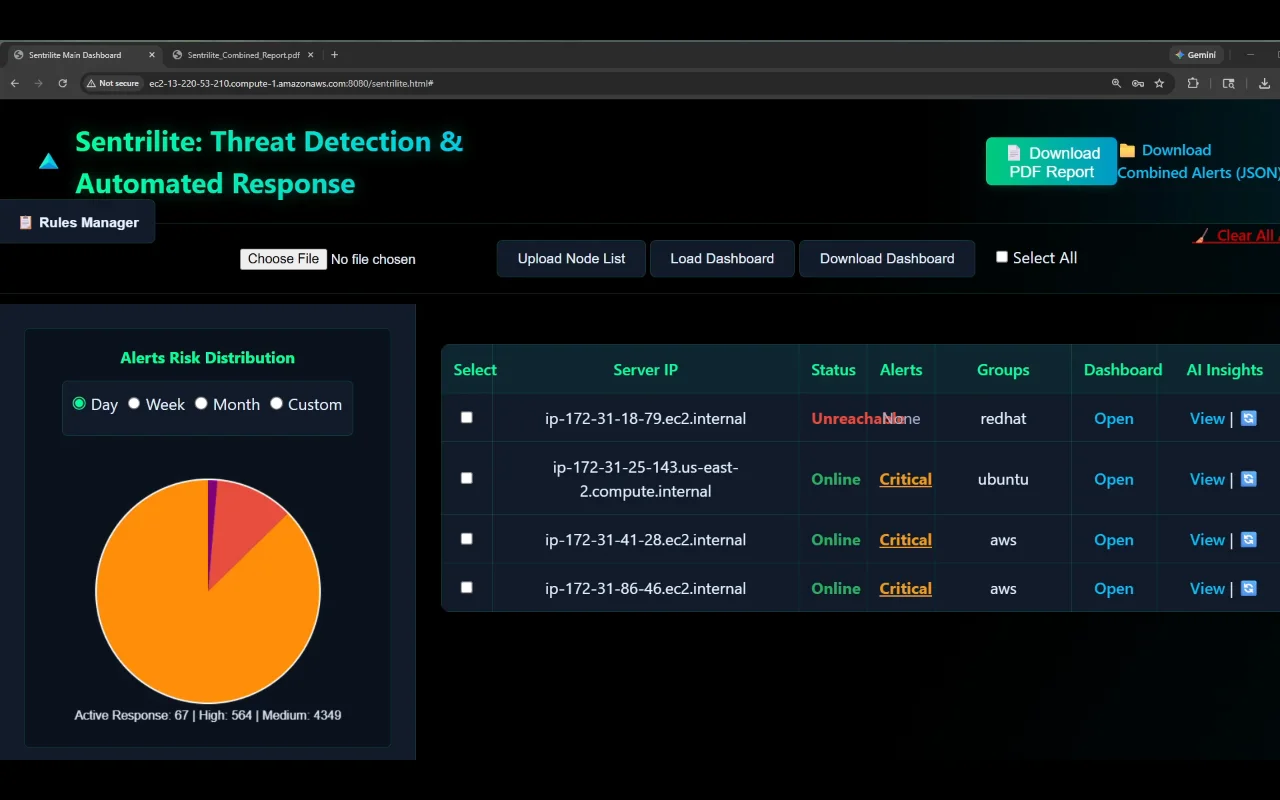
Runtime behavior blocking for zero-days, but does it beat Falco or eBPF-based tools?
DevOps engineers, Kubernetes operators, security teams running Linux at scale
Falco · Tetragon · osquery
Scanning for CVEs Hardening configurations Aggregating logs
All useful — but they don’t actually stop exploitation once it starts.
In reality:
Not every CVE gets patched immediately Legacy systems stick around Zero-days happen
When exploitation succeeds, the real damage usually comes from runtime behavior:
A process spawning a shell Unexpected outbound connections Secret access Container escape attempts
I’ve been experimenting with a lightweight runtime enforcement layer for Linux that focuses purely on detecting and stopping high-risk behavior in real time — regardless of whether the underlying CVE is known or patched.
Would love input from folks running Linux/Kubernetes at scale:
Is runtime prevention something you rely on?
Where do existing tools fall short?
What would make this genuinely useful vs just more noise?
Live Demo: https://sentrilite.com/Sentrilite_Active_Response_Demo.mp4 Github: https://github.com/sentrilite/sentrilite-agent
Schema + policy + budget enforcement at execution boundary before model hits.
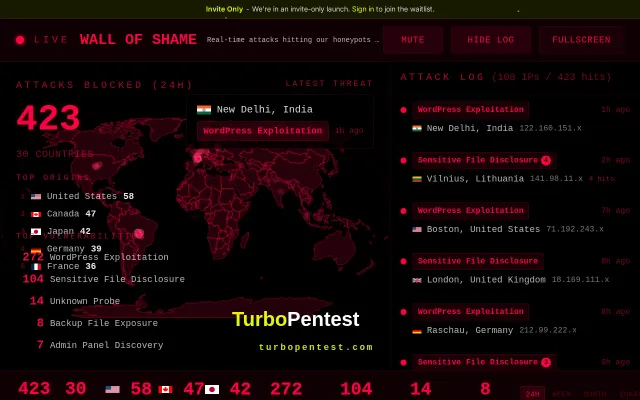
Pretty attack dashboard, but honeypot visualizations already exist elsewhere.
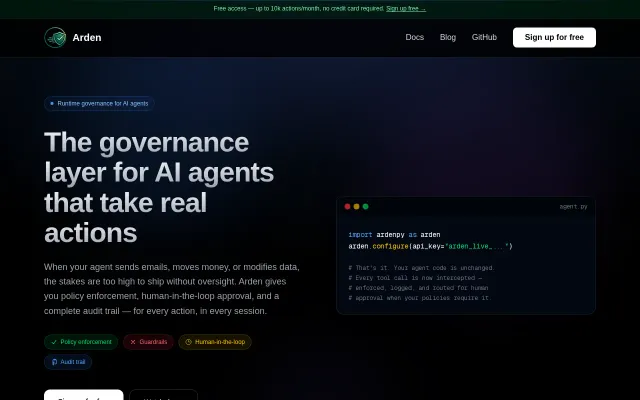
Intercepts tool calls before execution to block dangerous actions like DB deletes.
Hallucination guardrails middleware, but is it better than prompt engineering plus Claude?
Zero-trust governance for AI agents before they execute shell, file, or database actions with full audit trails.
Runtime enforcement beats periodic scanning, but zero stars suggests this just launched.