Infrastructure●●●Banger
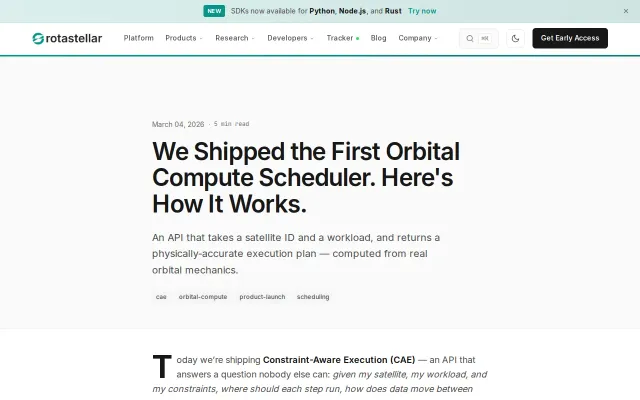
First API for orbital compute scheduling with real physics
First API solving the actual orbital compute placement problem with SGP4 physics, not simulation.
WizardryZero to OneNiche Gem
subhadipmitra
213mo ago
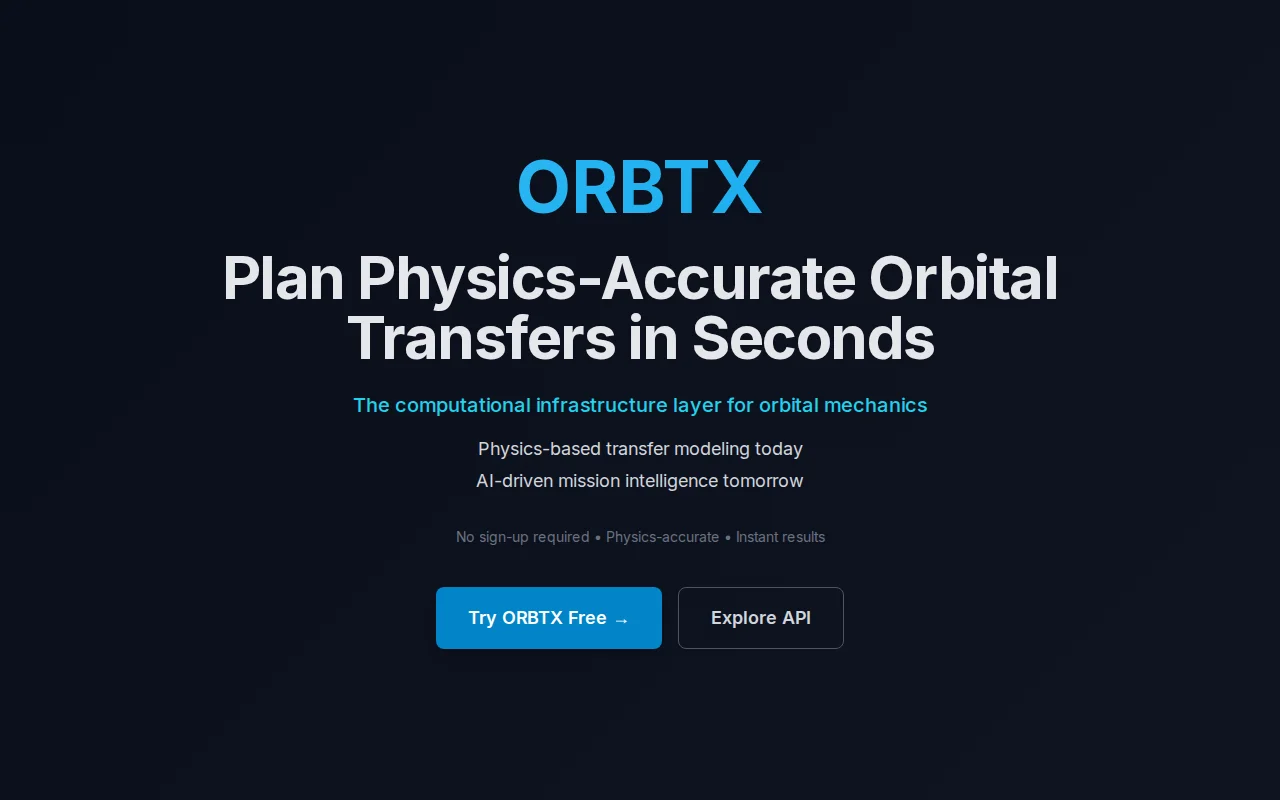
Three.js orbital mechanics beats legacy suites, but core math (Hohmann) is 50 years old.
Aerospace engineers, space startups, CubeSat teams, mission planners
GMAT (NASA tool) · Kerbal Space Program's transfer calculator · Orbiter (space simulator)
I built this because most tools in astrodynamics are either overly simplistic web calculators or heavyweight, expensive legacy suites that look like they were made in the 90s. I wanted to create a "middle ground": professional-grade orbital computation that is fast, visual, and API-first.
The Tech Stack:
Frontend: Next.js & React.
3D Engine: Three.js (React Three Fiber) for real-time trajectory rendering.
Physics: Custom engine handling classical two-body mechanics (Hohmann and Bi-elliptic transfers).
Key Challenges: One of the main hurdles was maintaining floating-point precision for astronomical distances within a browser environment while keeping the 3D visualization smooth at 60fps. I’m currently refining the propagator to handle more complex perturbations in future updates.
The Goal: To move orbital mechanics away from "Excel-engineering" into a modern, developer-ready infrastructure. Think of it as a step toward "Figma for orbital mechanics."
No sign-up required, it's open for testing. I’d love to hear your thoughts on the physics implementation, the API structure, or any edge cases you find!
First API solving the actual orbital compute placement problem with SGP4 physics, not simulation.
Educational Mars sim, but page content doesn't match the project title.
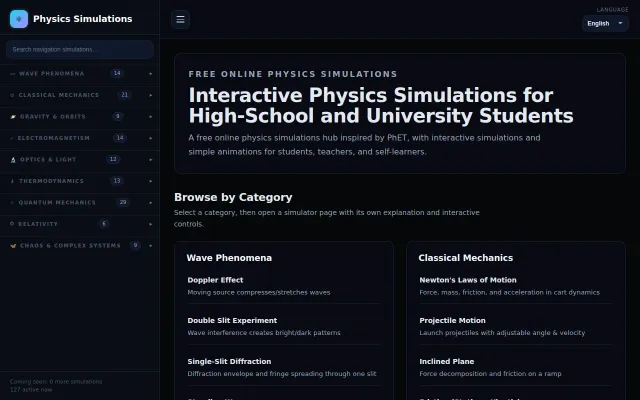
PhET clone with 127 simulations, but no novel pedagogy or technical differentiation.
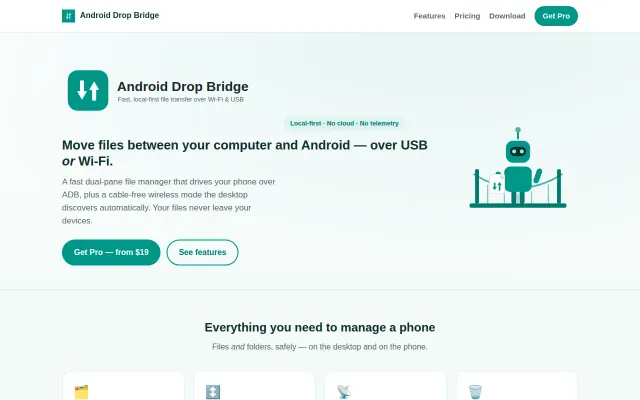
GUI wrapper around ADB when LocalSend and KDE Connect already do this free.
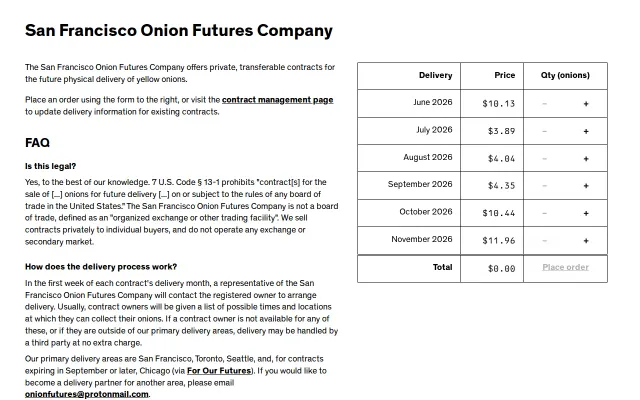
Private onion futures contracts exploiting a 1958 law loophole to bypass exchange bans.
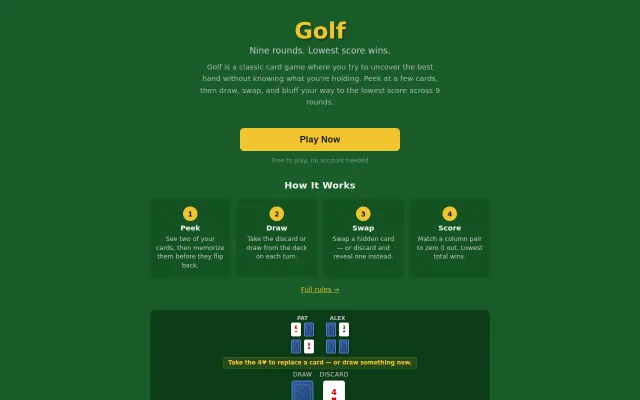
Clean implementation but browser card games are a solved category with no innovation.