Developer Tools●●Solid
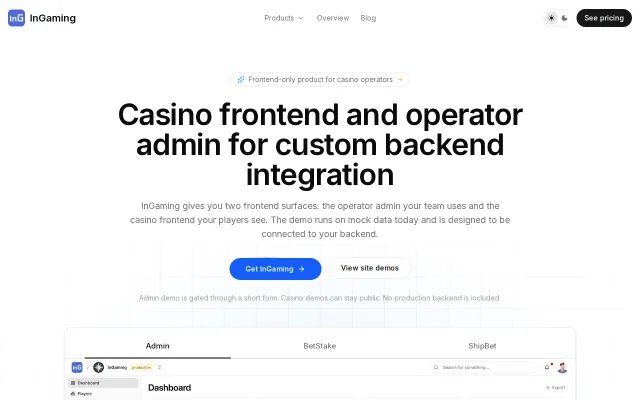
InGaming, front end MVP for casino brands
iGaming admin UI kit with player flows and multi-brand storefronts.
Niche GemSlick
jonypopovv
102mo ago
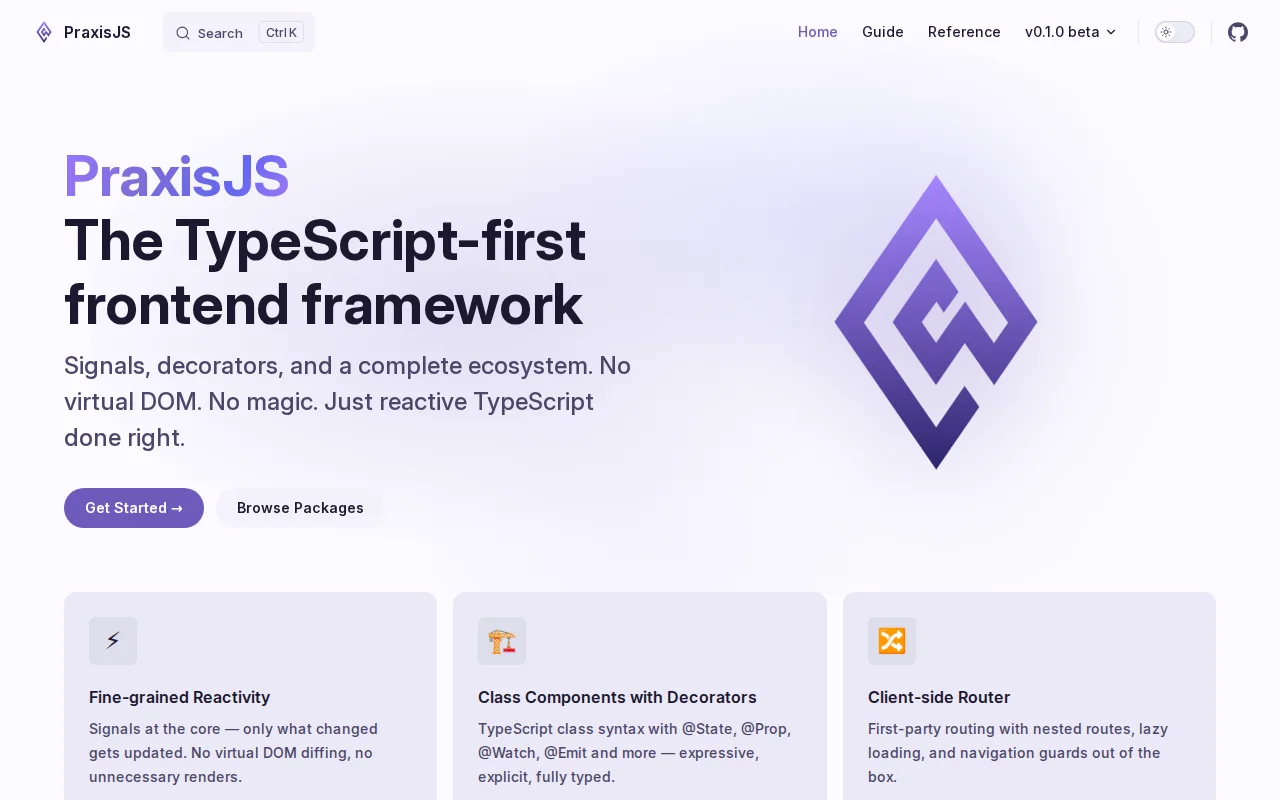
No virtual DOM and decorators over JSX—but Solid.js, Qwik, and Svelte already did this better.
TypeScript developers skeptical of React, teams wanting explicit reactivity models
Solid.js · Qwik · Svelte
PraxisJS started as a personal project. It reflects a single perspective on frontend design, not a committee decision, not a consensus. I wanted to see how far you can push explicitness before it becomes friction.
Most frameworks optimize for writing less. PraxisJS questions that tradeoff. @State doesn’t suggest reactivity, it is reactive, visible in the code. Signals reach the DOM without a reconciliation layer in between (the renderer is still evolving toward that goal).
It also became an AI-assisted experiment, not to automate thinking, but to pressure-test ideas. Some parts came from that collaboration. Some exist because it failed.
v0.1.0 beta, experimental, not production-ready. But the ideas are real.
iGaming admin UI kit with player flows and multi-brand storefronts.
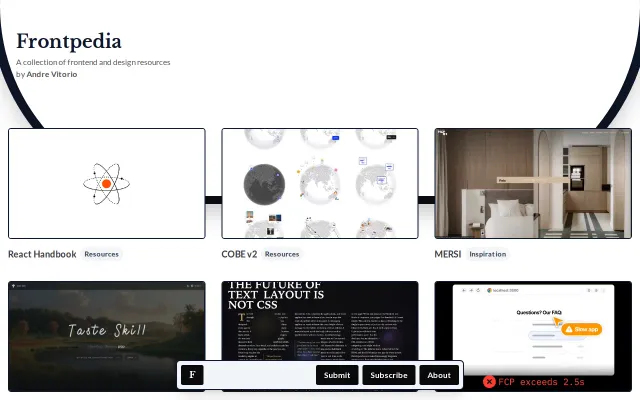
Curated frontend resource directory built with Next.js and Outstatic CMS.
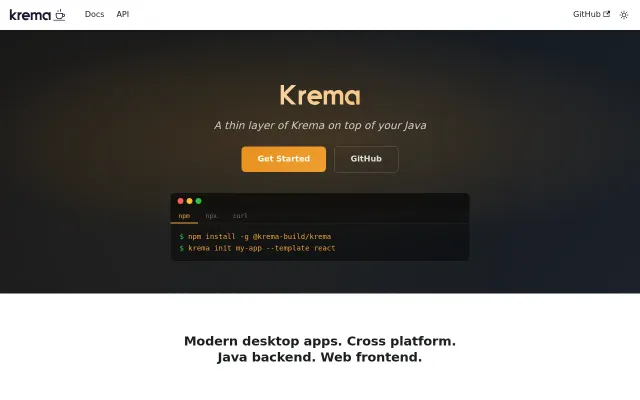
Electron alternative: Java backend + web frontend, 50-80MB bundles, system WebViews instead of Chromium.
Another OpenAPI-to-UI generator in a space dominated by Retool and Swagger.
Auto-generates React from Python MCP, but MCP frontend tooling is already maturing.
Yet another GitHub UI, performance gains don't justify switching from GitHub itself.