Infrastructure●●●Banger
Open-source logic synthesis – formal logic to FPGA
Open-source logic synthesis running on FPGAs when Yosys dominates the space.
Zero to OneWizardryBold Bet
major4x
102mo ago
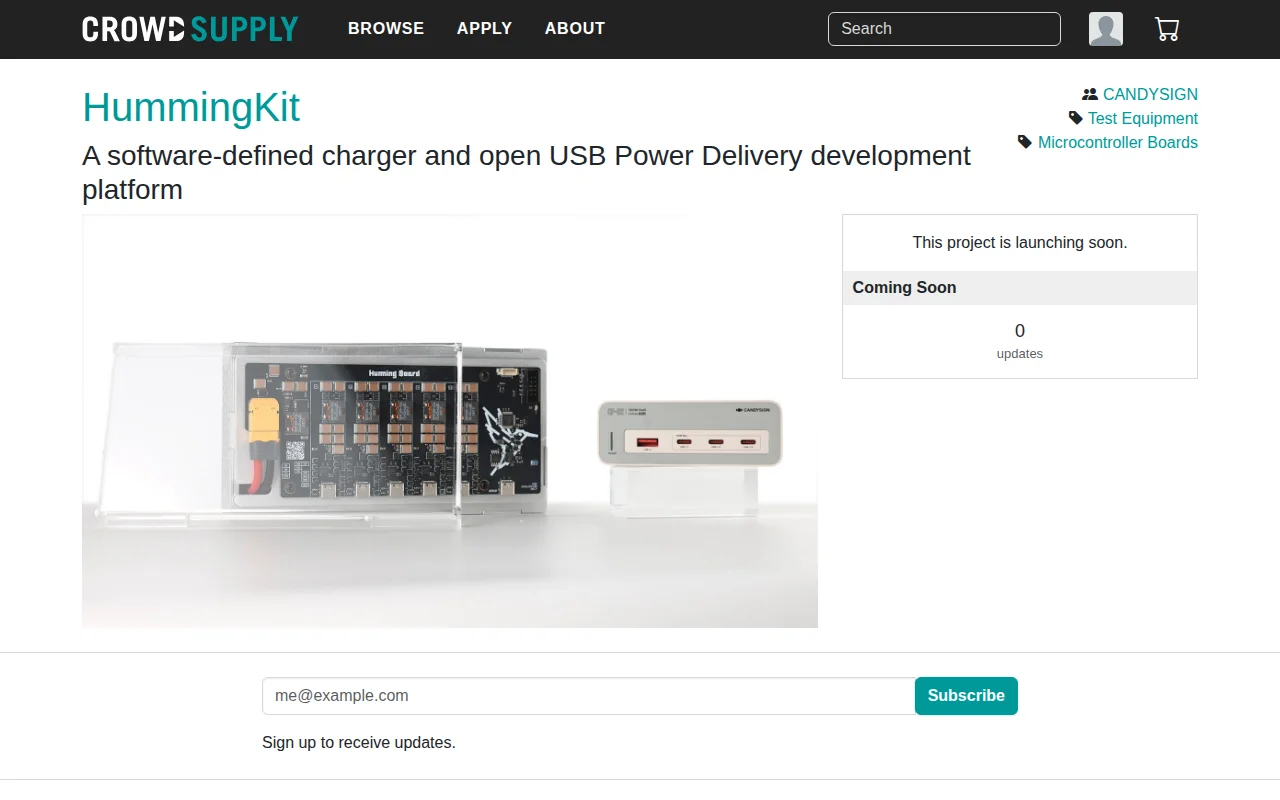
Software-defined USB-PD replaces vendor black boxes, but shipping timeline unclear.
Embedded developers, hardware CI/CD engineers, power supply researchers, makers building test automation
Keysight power supplies · Programmable bench power supplies · GripperTech PD debuggers
This started as our internal R&D platform while developing a consumer charger. We were uncomfortable with the typical “the FAE handles the firmware, you just build the hardware” model that dominates the PD ecosystem. In that model, key behavior lives in vendor-controlled binaries, arbitration rules are opaque, and meaningful customization is either discouraged or impossible.
We wanted full ownership of the system — from power stage to protocol logic — and we wanted the ability to inspect, version, test, and evolve the charging algorithms ourselves. Instead of treating firmware as a thin configuration layer on top of fixed-function silicon, we designed the charger as a programmable system from the beginning.
Furthermore, we want to empower everyone.
So we redesigned the stack with a clean separation of concerns:
* ESP32-C3 (Wi-Fi + BLE) running open firmware
* FPGA handling safety features and control plane management
* 5× PD3.2 controllers (up to 140W per port capability)
The ESP32 chip offers:
* Local HTTP/JSON API
* MQTT client
* Prometheus exporter
* OTA updates
* Telemetry aggregation
Everything works locally; no cloud required (although cloud is available).
We approached this using software engineering discipline instead of traditional embedded shortcuts:
* Software defined, and software as an asset not a liability
* Open Source firmware
* Reviewable, testable modules
* Exposed APIs instead of hidden vendor blobs
The idea is simple: if modern infrastructure is observable and programmable, power delivery should be too.
It’s fully solid-state, built with industrial components (Coilcraft inductors, Murata/Samsung MLCCs), and powered by an off-the-shelf Mean Well PSU for reliability and traceability.
Repo: https://github.com/ifanrx/IonBridge
Happy to answer technical questions.
Open-source logic synthesis running on FPGAs when Yosys dominates the space.
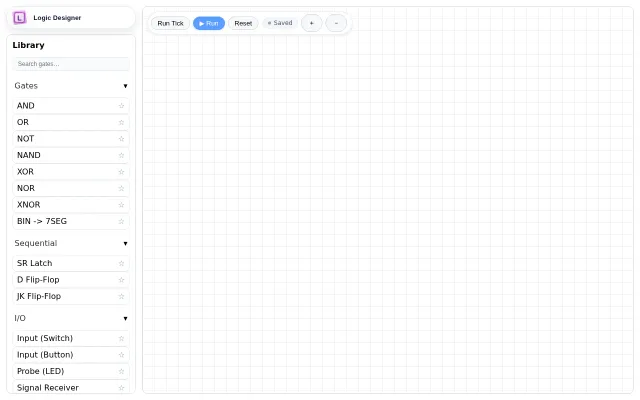
Yet another web logic simulator when CircuitVerse and Logisim already dominate this space.
Hardware-timed stepper pulses eliminate CPU jitter for 0.5mm workshop precision; solves real job pain.
Formally verified FPGA watchdog for critical AM broadcast proves hardware safety via math, not testing.
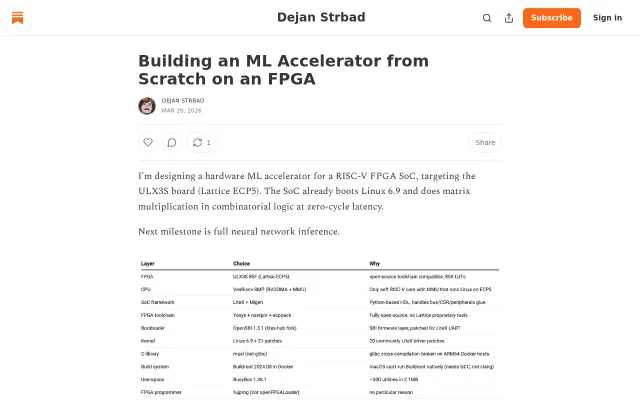
Zero-cycle matrix multiplication in combinatorial logic on Lattice ECP5 is genuinely wild.
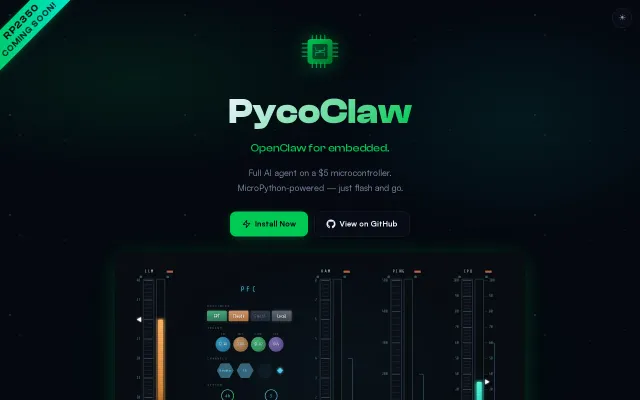
Full AI agent with recursive tool calls running on a $5 ESP32, modifiable live without reflashing.