Education●Mid
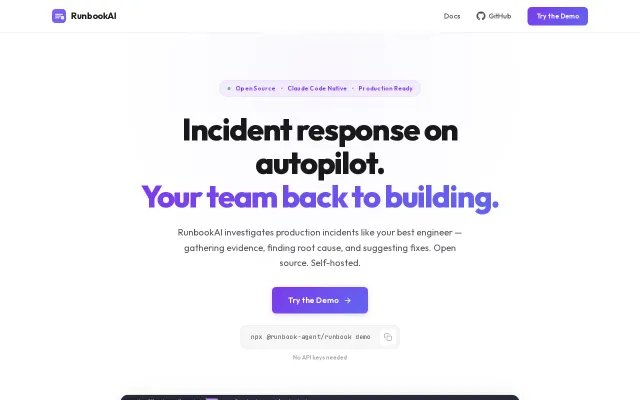
K8s watcher that investigates incidents and opens PRs (it can't merge)
Reference implementation for AI SRE workflows, but it's a blog example not a deployable tool.
Niche GemShip It
har-ki
208d ago
Lightweight questioning framework, but MECE checklists and interview guides already exist.
Incident commanders, debuggers, journalists, anyone conducting structured investigations
The Curious Journalist's Handbook · Klein's Recognition-Primed Decision Model · Erotetic Logic literature
Most material I found focuses on techniques or interview tactics, or is very abstract like the Erotetics literature. I was more interested in understanding the parts and how they work together.
Questioning seems to be an underrated skill in incident investigations, debugging, and project clarification.
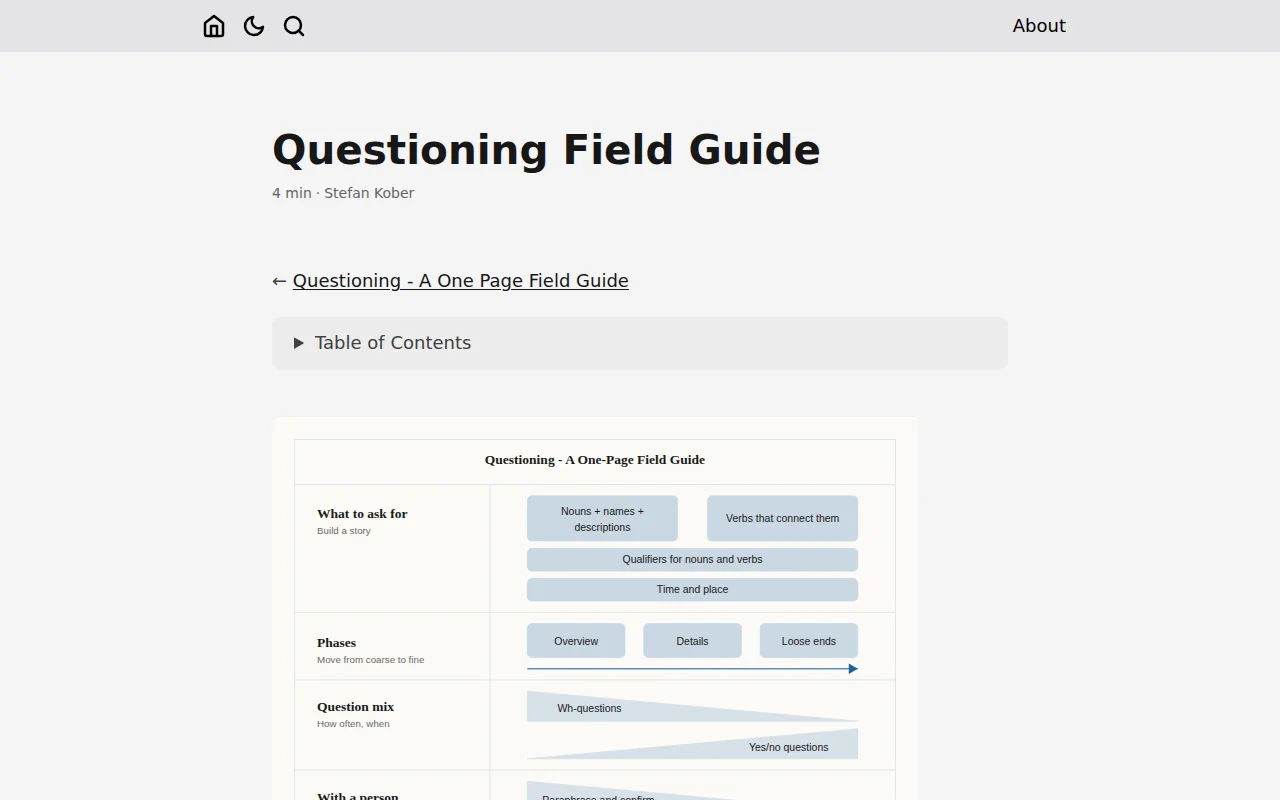
I tried to compress what I found into a single visual model.
The diagram reduces inquiry to a few simple moves:
- Track nouns, verbs, qualifiers, time and place
- Move in phases: overview => details => loose ends
- Use question types and tools appropriate to the goal of each phase
It is intentionally small and easy to remember. It will not make anyone a brilliant interrogator, but it provides a minimal structure when you would otherwise improvise. It might be helpful to practitioners.
I would be interested in critical feedback, especially from people who use structured questioning in technical or investigative work.
Reference implementation for AI SRE workflows, but it's a blog example not a deployable tool.
Hypothesis-pruning incident agent with approval gates beats chaos engineering explorers.
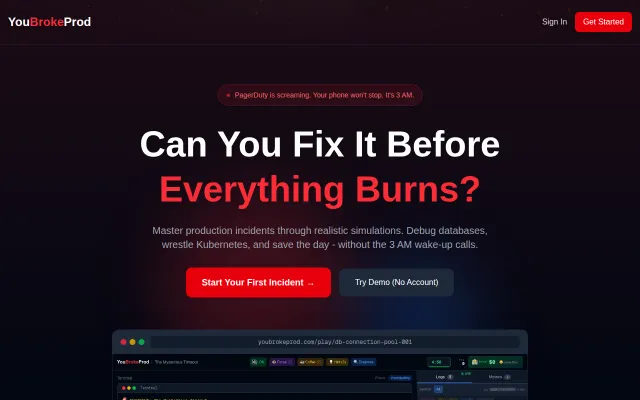
Playable incident simulations turn debugging tweets into training scenarios.
Incident response training game that's actually addictive—beats PowerPoint.
Built by SREs who actually live through CrashLoopBackOff investigations.
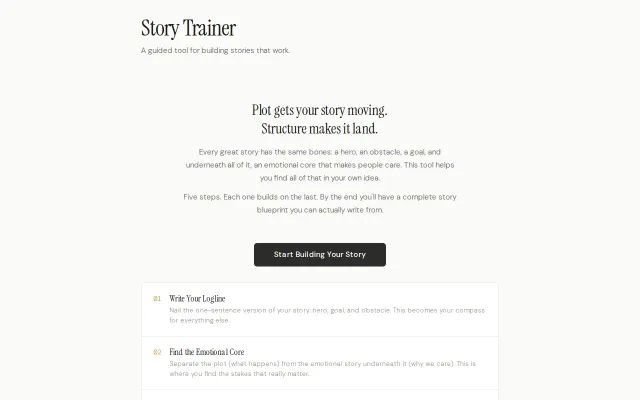
Structured writing guide based on workshop notes, but it's static content not a tool.