Developer Tools●●Solid
Carto – structural intelligence for AI coding agents (OSS)
Blast radius detection before AI edits code, competing with Cursor's codebase awareness.
Big BrainSolve My Problem
aspectop
1114d ago
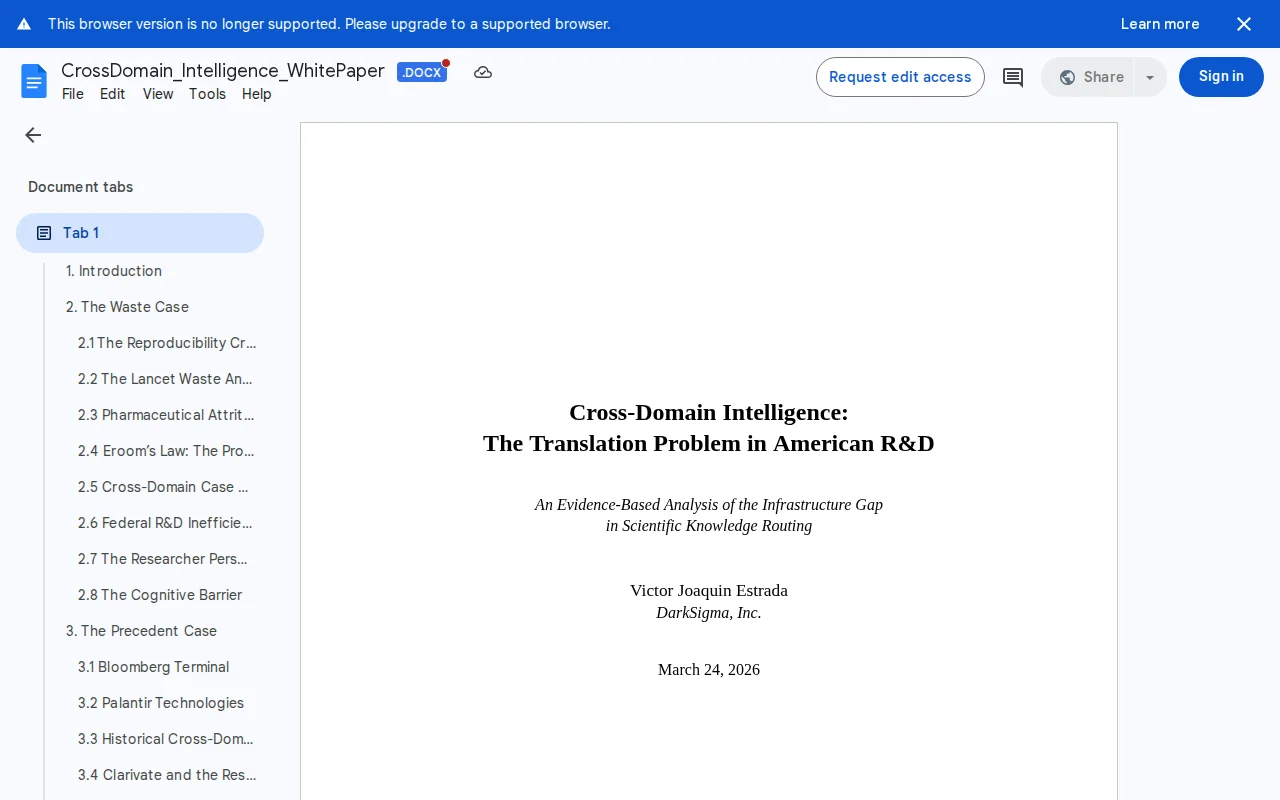
Whitepaper arguing for scientific knowledge routing infrastructure without any actual software.
Policy makers, R&D administrators
It takes 17 years on average for a research finding to reach clinical practice. This is not a funding problem. The federal R&D budget is $202 billion. The money is there. It is a translation problem. Scientific knowledge stays trapped inside domain-specific language and institutional silos. A breakthrough in polymer chemistry sits invisible to the molecular biologist who needs it. A materials science solution waits 40 years before someone in biology stumbles across it.
Bloomberg built a $15 billion business routing financial data to the people who needed it. Palantir is worth $330 billion routing intelligence data. GPS generated $1.4 trillion in economic value after transferring from military to civilian use. The infrastructure layer that routes knowledge between scientific fields does not exist yet. China is building it through state policy. The UK is investing £1.6 billion. The EU is building the European Open Science Cloud. The U.S. is investing billions in AI for science but none of it addresses the specific problem of cross-domain knowledge routing.
The technology to solve this only became tractable after 2018. The window is open. Full analysis linked below.
Blast radius detection before AI edits code, competing with Cursor's codebase awareness.
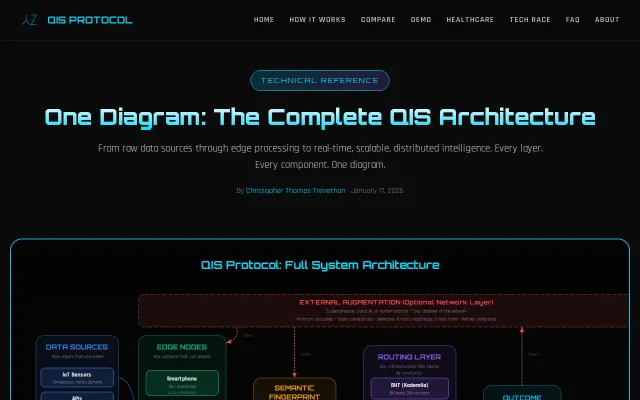
Architecture diagrams and buzzwords without working code or a live demo to validate claims.
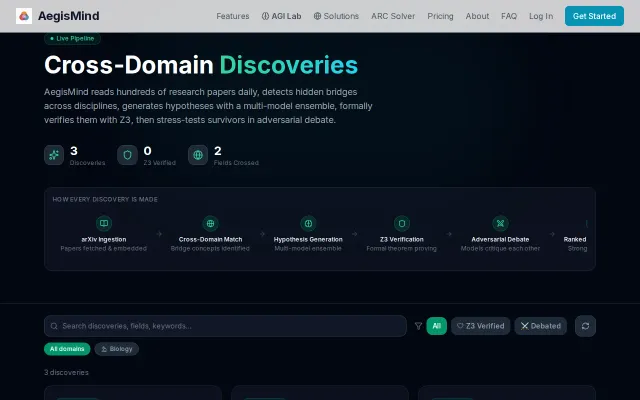
Ambitious cross-domain hypothesis generation, but only three discoveries shipped so far.
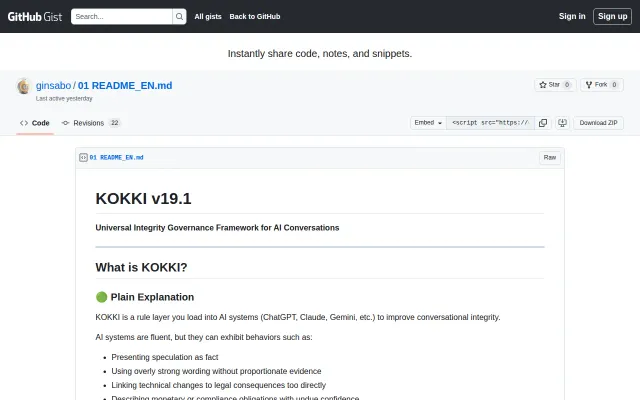
Regression tests catch cross-domain hallucinations, but prompt-based approach won't scale.
48 ASR models + WebGPU TTS offline beats Whisper-only alternatives like Otter.ai.
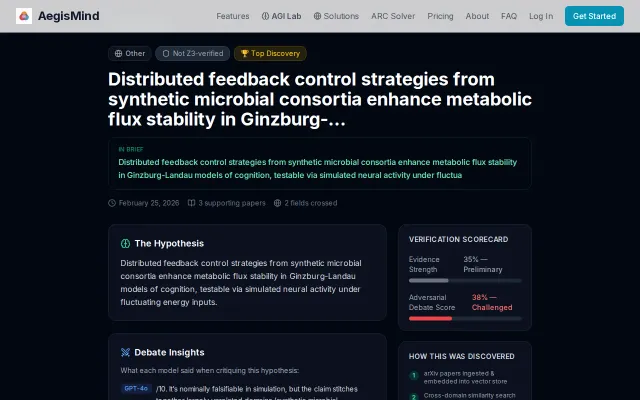
Multi-model debate on research hypotheses, but Z3 can't verify the actual claims.