Finance●●Solid
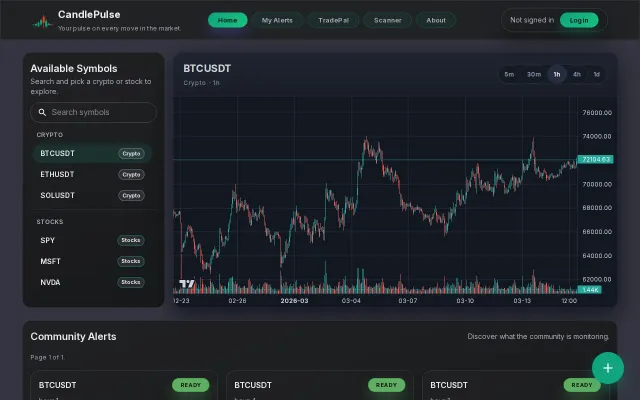
CandlePulse – Natural language trading alerts powered by AI
Natural language to trading logic beats manual indicator configuration.
Ship ItBig Brain
rijesh4
213mo ago
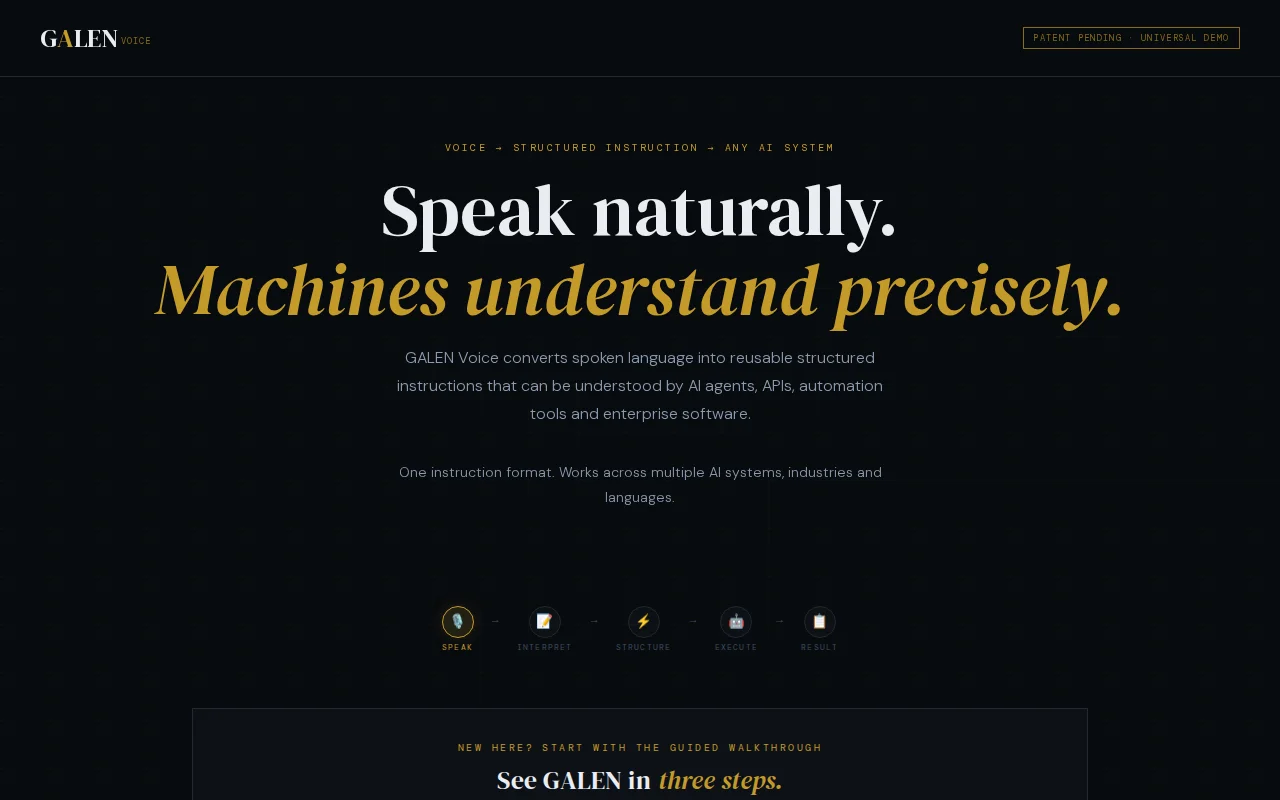
Intermediate representation layer for AI instructions could reduce tokens, but product-market fit remains unproven.
AI developers, enterprise teams building AI workflows
LangChain · DSPy · Prompt templates
I built an early prototype called GALEN.
Instead of sending long-form speech or text directly to an AI model, GALEN converts it into a compact, structured instruction format first:
speech/text → structured representation → AI
The aim is not only to reduce token usage, but also to improve consistency, determinism and reliability across different AI systems.
So far the prototype appears to: - reduce AI input overhead by roughly 30–70% - work across multiple domains (healthcare, legal, finance, travel, etc.) - allow the same structured instruction to be sent to different models
Still very early and patent pending. I’m trying to work out whether there is genuinely a useful product here beyond the prototype.
Demo: https://galenvoice.com
Would really appreciate any thoughts or criticism.
Natural language to trading logic beats manual indicator configuration.
Yet another natural-language-to-CLI tool in a crowded category.
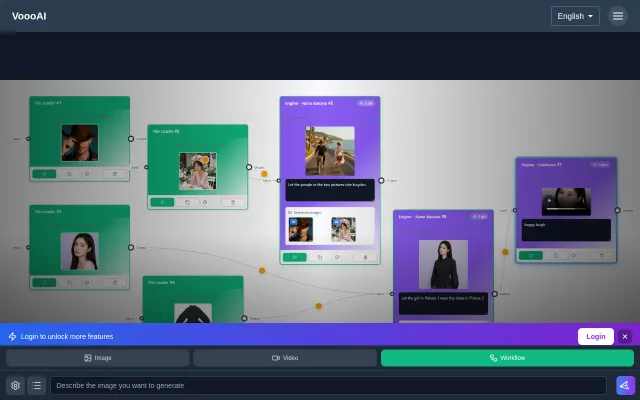
Pseudocode IR layer validates before execution, but orchestrates existing APIs like Midjourney and Runway.
Natural language E2E tests sound good until you need debugging or maintenance.
Voice-first planning that writes structured docs and pushes context to Cursor via MCP.
Yet another Zapier alternative where plain English replaces flowchart builders.