SaaS●Mid
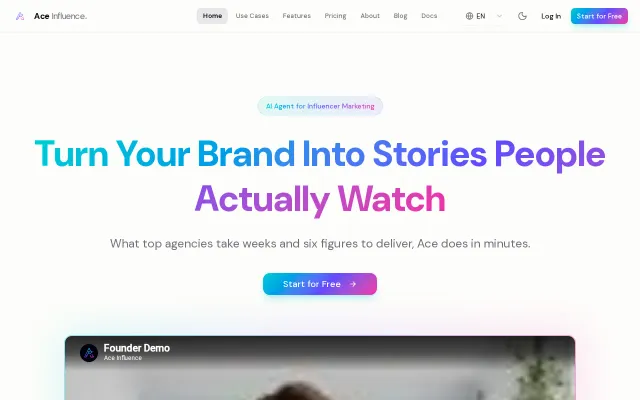
Ace Influence – Turn your brand into stories people watch
Another AI influencer platform competing with Aspire and Upfluence on polish alone.
SlickBold Bet
SecularVan
402mo ago
Web Bluetooth API brings G-Shock management to browsers, bypassing the official Android app.
G-Shock watch owners, hardware enthusiasts
G-Shock Move app · Casio Watch+ app
What it does: - Time sync with NTP (atomic-clock precision) - Full alarm management (all 5 alarms) - Reminders/events with labels - Watch settings (illumination, sound, display) - Battery level monitoring - Zero install, zero accounts — all BLE traffic stays local between your browser and the watch
Tech: Next.js + TypeScript, Web Bluetooth API, Material Design 3. Supports 19+ G-Shock models with per-model capability detection.
Live demo: https://gshock.avmedia.org Source: https://github.com/izivkov/gshock-smart-sync-webapp
Can be self-hosted on a Raspberry Pi or any Node-capable server.
Browser support: Chrome/Edge/Opera (desktop & Android). iOS needs Bluefy or WebBLE. Safari and Firefox don't support Web Bluetooth — that's a vendor decision, not a fixable limitation on my end.
One honest limitation: Web Bluetooth requires an explicit user gesture to initiate a connection, so there's no background auto-sync — you click "Pair Watch" each session. Fine for my use case, but worth knowing upfront.
The most interesting part was reverse-engineering the BLE protocol. Happy to go into detail on that if anyone's curious.
Another AI influencer platform competing with Aspire and Upfluence on polish alone.
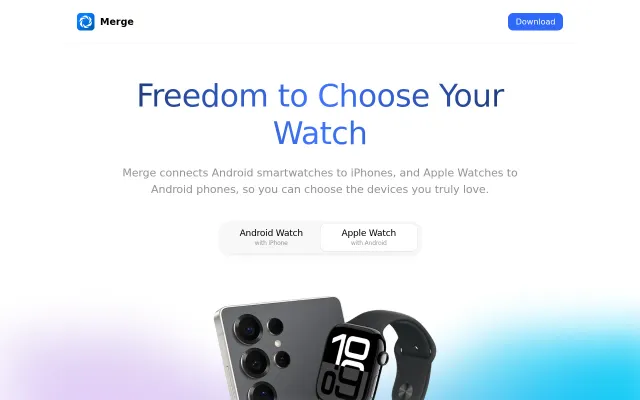
First tool bridging Apple Watch to Android without jailbreak or workarounds.
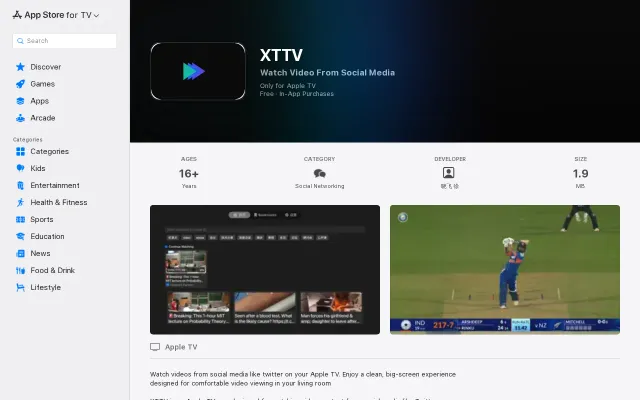
Finally watches Twitter videos on Apple TV where the official app doesn't exist.
Yet another clipboard manager in a space dominated by Raycast, Maccy, and Ditto.
Serverless inventory sync using YJS CRDTs instead of a central database backend.
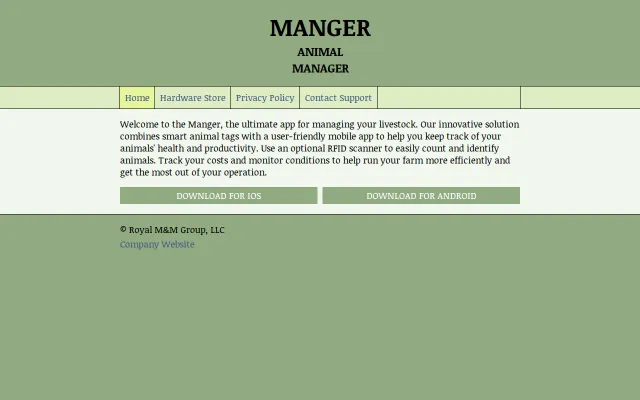
RFID scanning up to 15 feet, but livestock apps like HerdLogic already exist.