Productivity●Mid
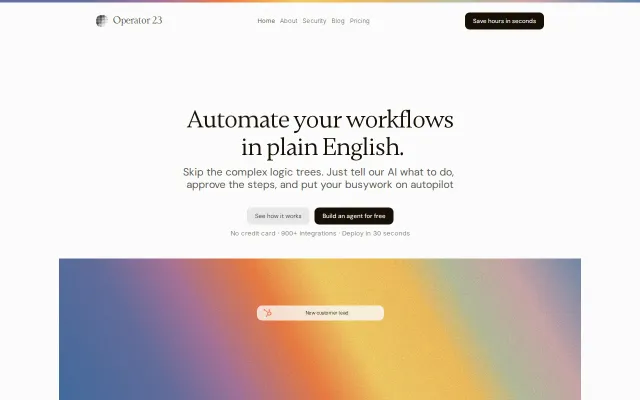
Automate your workflow in plain English
Yet another Zapier alternative where plain English replaces flowchart builders.
Ship It
Mrakermo
1272mo ago
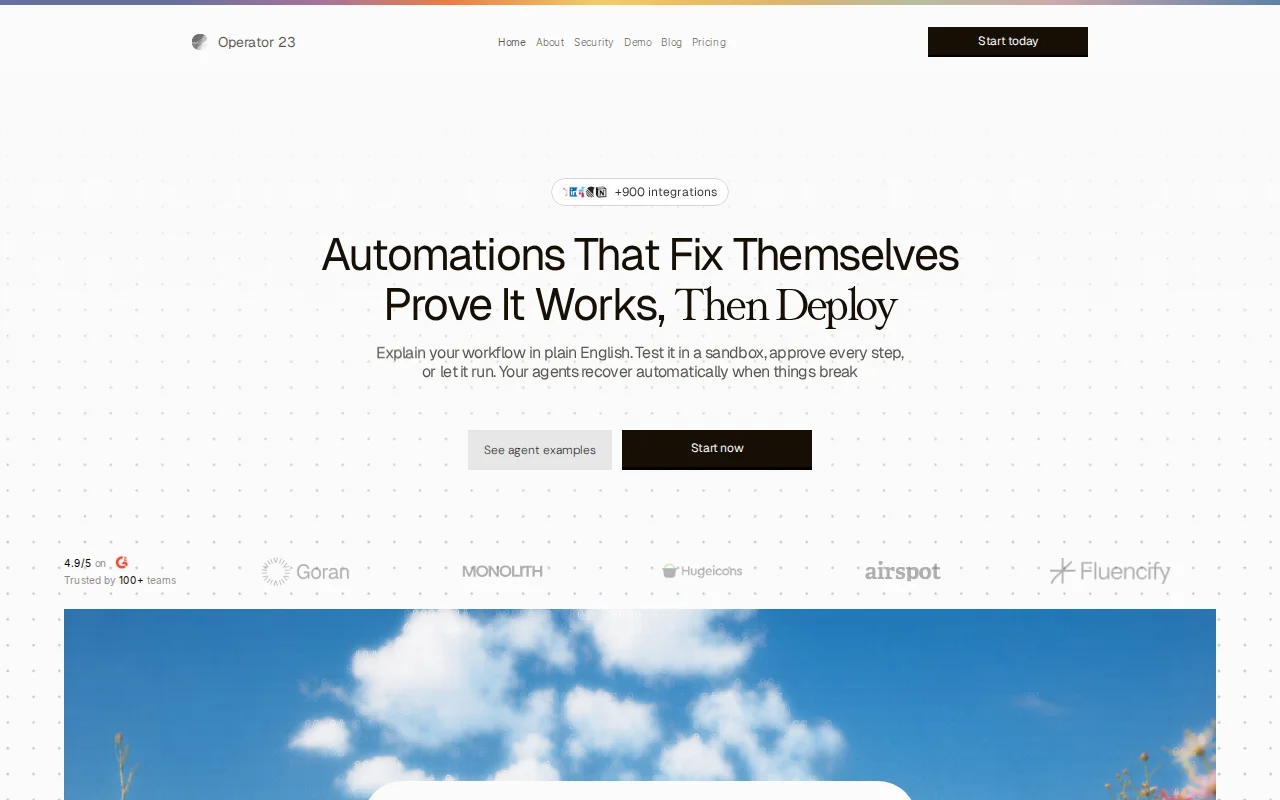
Zapier alternative that claims to fix itself, but the AI claims need real proof.
Operations managers, small business founders, non-technical teams
Zapier · Make · n8n
hubspot, apollo, monday, slack, google drive, others. no builder,
no if-then config.
built for 5-15 person teams. founder doing inbound triage, one ops person juggling six tools, work that should be automated keeps getting deferred because nobody has two hours to wire up zapier.
so it stays manual until someone gets hired six months later to "fix the systems" and inherits a mess.
talked to a bunch of founders and early ops hires. three things came up every time. setup complexity. people aren't afraid of automation.
they're afraid of two hours of field mappings only to have something silently misroute.
debugging. when something breaks there's no explanation. you find out three weeks later when a customer asks why they were never followed up with. one bad experience and you're back in spreadsheets for a year.
no trust without control. everyone wanted a review step before the system acts on its own. not forever, but until it has proven itself.
operator23 addresses all three. plain English in, setup is minutes. readable logs of every step, debugging is obvious. staged autonomy, everything starts in review and graduates as it proves itself.
when something fails the agent reads its own error and retries instead of dying silently.
the bet: the next wave of ops tools won't be configured, they'll be described. for founders and ops hires who've lived this, does this match what you've seen, and is there a fourth problem we're missing?
Yet another Zapier alternative where plain English replaces flowchart builders.
Zapier alternative with AI when Make and n8n already exist.
Zapier alternative with AI generation, but Zapier (with AI) and Make already own this space.
Workflow-to-agents translator, but visual multi-agent builders already exist (Langflow, Zapier AI).
Sentry but explains errors in plain English instead of stack traces.
Node-based canvas wiring together E2B, Daytona, and Cloudflare Browser Rendering in one workflow.