AI/ML●●●Banger
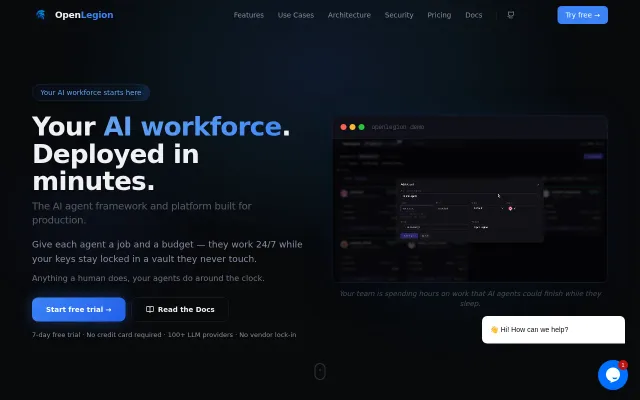
OpenLegion – AI agent fleet with container isolation and vault proxy
Vault proxy injects credentials at the network layer so agents never touch your keys.
Big BrainSolve My ProblemShip It
curiouscake
202mo ago
Credential isolation for agent containers
Host-side credential enforcement for containerized agents before they leak your AWS keys.
DevOps engineers running AI agents in Docker containers
Docker Socket Proxy · Vault Agent · ssm-session-manager
In Dockerized agent setups, prompt files, skills, and other in-container controls are not a real boundary. The agent can ignore or rewrite them.
Airlock replaces sensitive CLIs in the container with shims that send requests to a host daemon over a Unix socket. The host validates the request against policy and, if allowed, executes the real command there.
The goal is to let a containerized agent use tools like git, ssh, aws, terraform, or docker without the container holding the real credentials.
It’s not a general sandbox or a complete agent security solution. It solves a narrower problem: host-side enforcement for credentialed CLI access.
Vault proxy injects credentials at the network layer so agents never touch your keys.
Agents never see credentials — brokered access beats retrieval for prompt injection safety.
Agents can't leak secrets they never had—placeholder injection at the wire.
Credential proxying keeps keys out of sandboxes, unlike Ramp Inspect.
MITM proxy swaps fake keys for real ones so agents never see credentials.
Agent credential proxy using OS keychain injection—credentials never touch agent memory.