Education●Mid
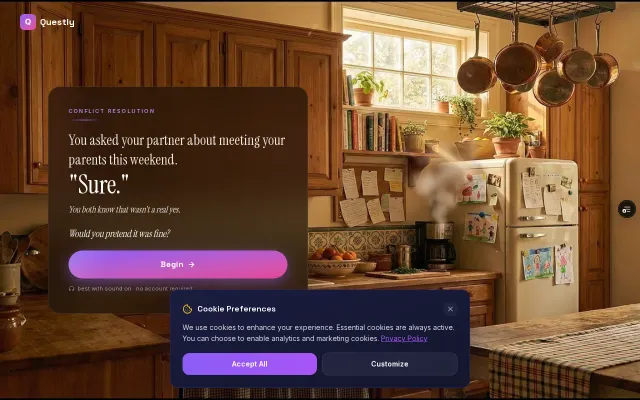
Learn conflict resolution through a 90-second interactive story
Single 90-minute scenario without clear path to broader learning platform.
CozyNiche Gem
danish00111
531mo ago
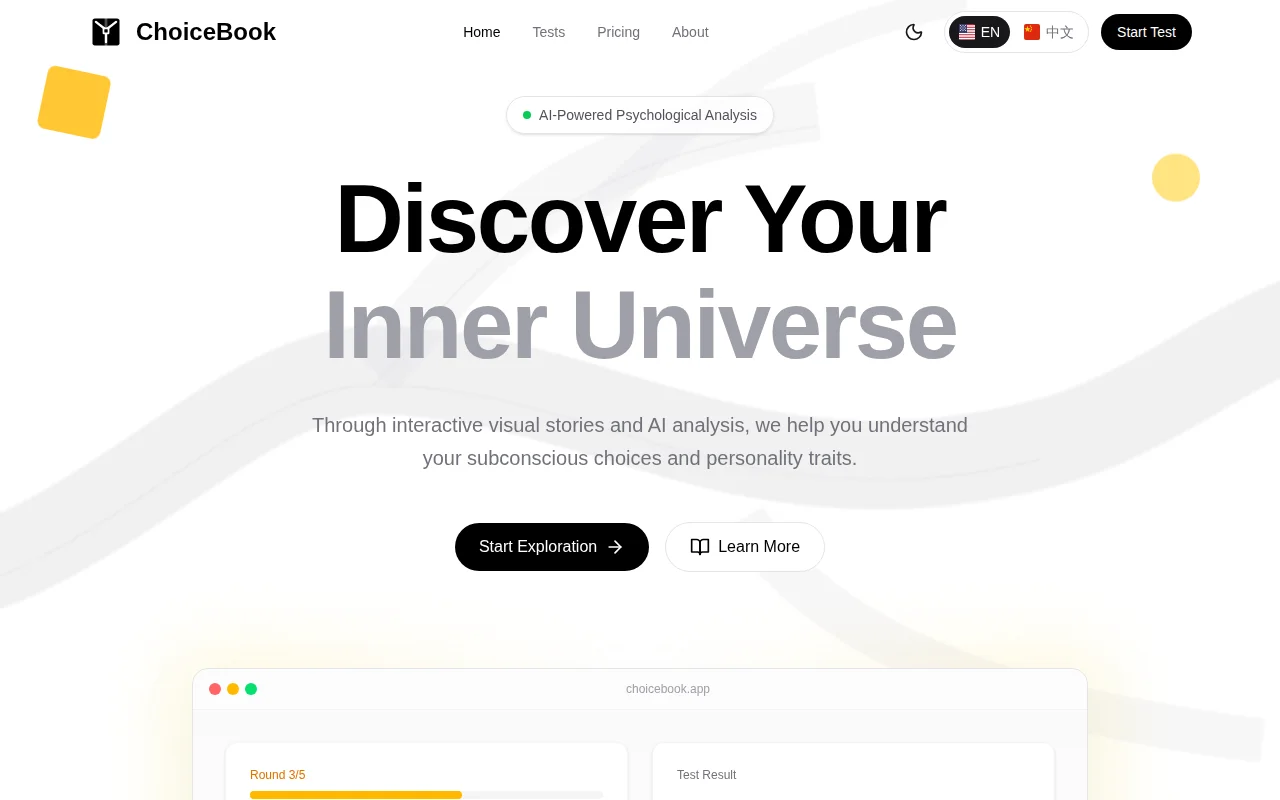
The core idea — using branching, pressure-filled stories (Fantasy, Apocalypse, etc.) as behavioral probes instead of direct survey questions — is a neat twist that makes self-assessment feel like a micro-game. The site shows live-adaptive narratives and concrete trait scores (e.g., 'Machiavellianism 68%'), which sells the concept, but there's little on the landing page about the model or validation backing those labels and the pay-per-test pricing feels transactional rather than research-driven.
People interested in self-discovery and personality psychology, casual users who enjoy interactive fiction, coaches/therapists and personal-development enthusiasts
I built ChoiceBook , an AI-driven interactive storytelling experience designed for self-reflection.
Instead of answering direct questions, you step into short, high-pressure narrative scenarios—Fantasy, Apocalypse, and more. As the story unfolds, you make choices that feel instinctive rather than calculated. ChoiceBook adapts the narrative in real time, then reflects back the decision patterns behind what you did: how you handle uncertainty, tradeoffs, moral tension, risk, authority, scarcity, and social dynamics.
The idea is simple: questionnaires measure what you say about yourself; stories can capture how you move when the world changes around you. ChoiceBook is meant to be a mirror—an engaging way to notice the themes you repeat, the values you protect, and the strategies you default to, especially when you don’t have time to overthink.
What you can do:
* Pick a world (e.g., Fantasy or Apocalypse) * Play through an interactive story by making choices at key moments * Receive a reflection that summarizes your behavioral signals and recurring tendencies * Replay across different worlds to see what stays consistent and what shifts with context
I’d love feedback from HN on a few things:
* What makes a reflection feel grounded and useful, rather than vague? * How should the product communicate its limits (self-reflection, not diagnosis) while still feeling valuable? * Which scenarios would you actually want to explore, and what would keep you coming back?
Thanks for reading.
Single 90-minute scenario without clear path to broader learning platform.
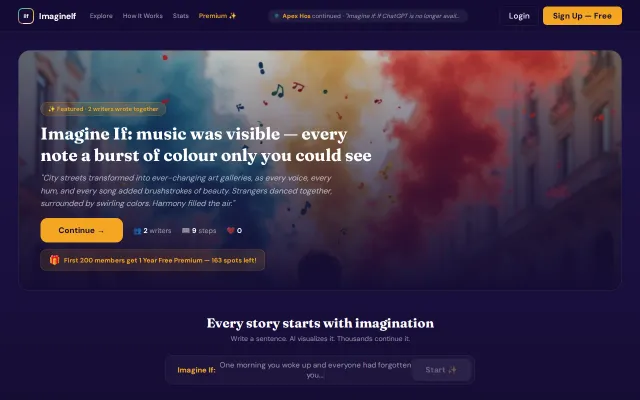
Collaborative storytelling with AI visuals, but cold start and retention are brutal.
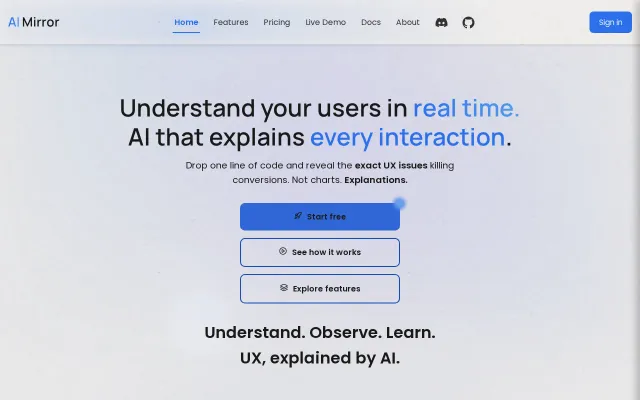
AI UX analyzer promising explanations over charts, competing with Hotjar and FullStory.
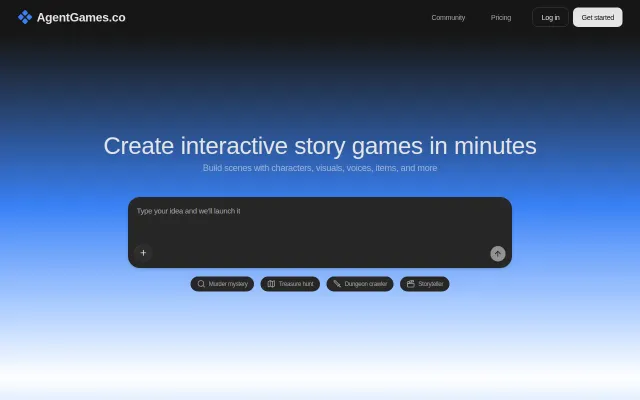
AI story generator with 20-agent support beats text-only tools; execution unclear at scale.
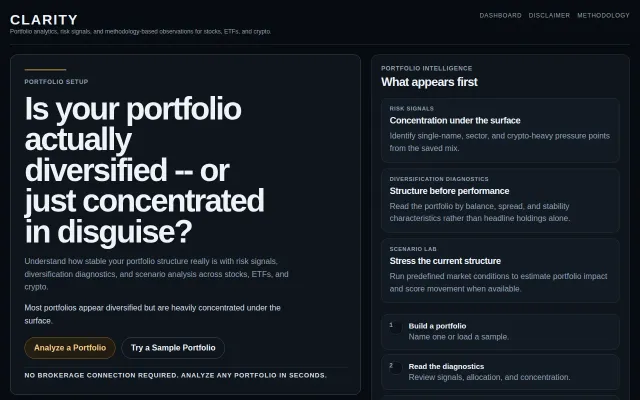
Portfolio analyzer combining stocks and crypto when Morningstar already dominates.
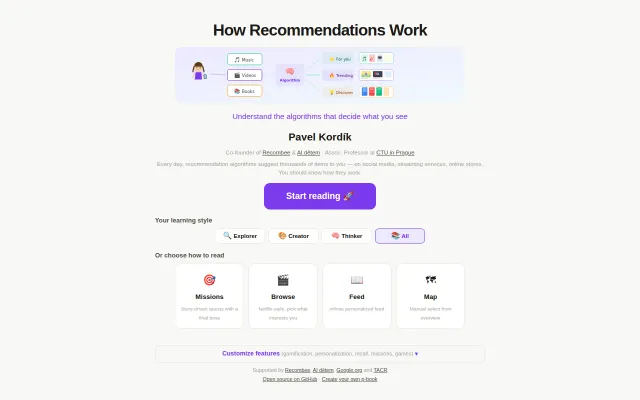
Teaches kids recommendation algorithms with adaptive navigation modes like Missions and Map.